
Discover São Jorge, Azores
Where the Cliffs Meet the Sea
Welcome to São Jorge
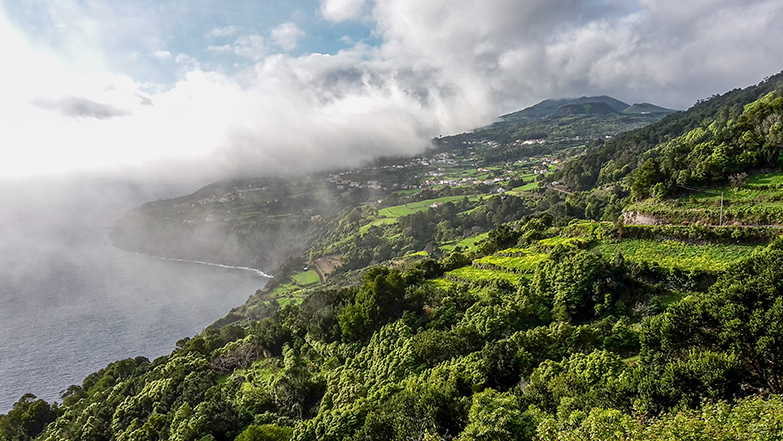
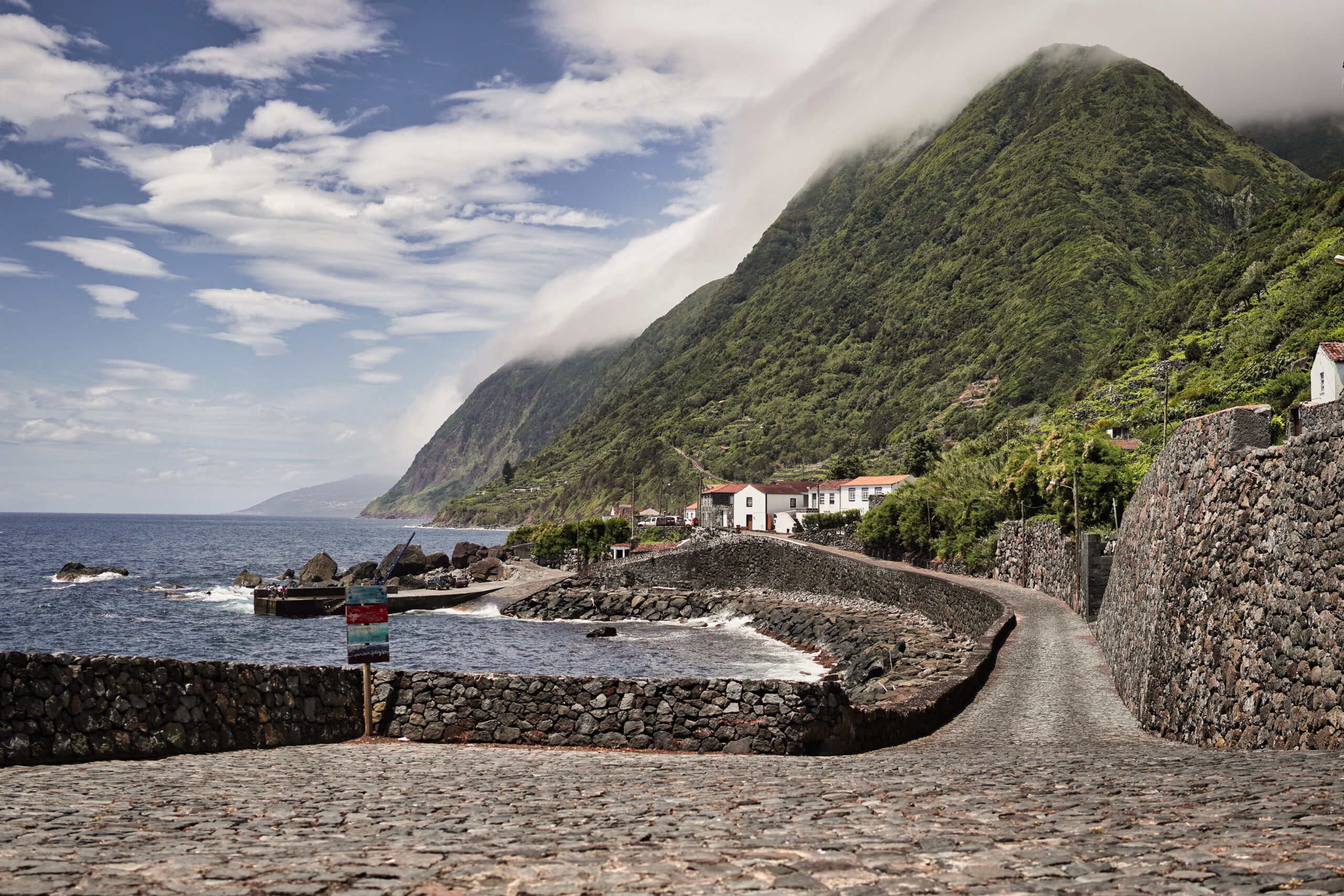
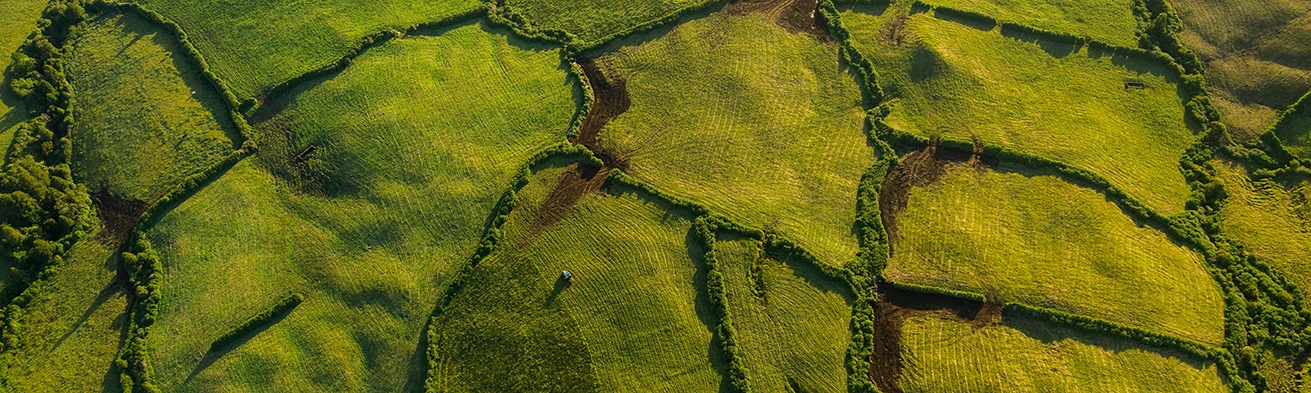
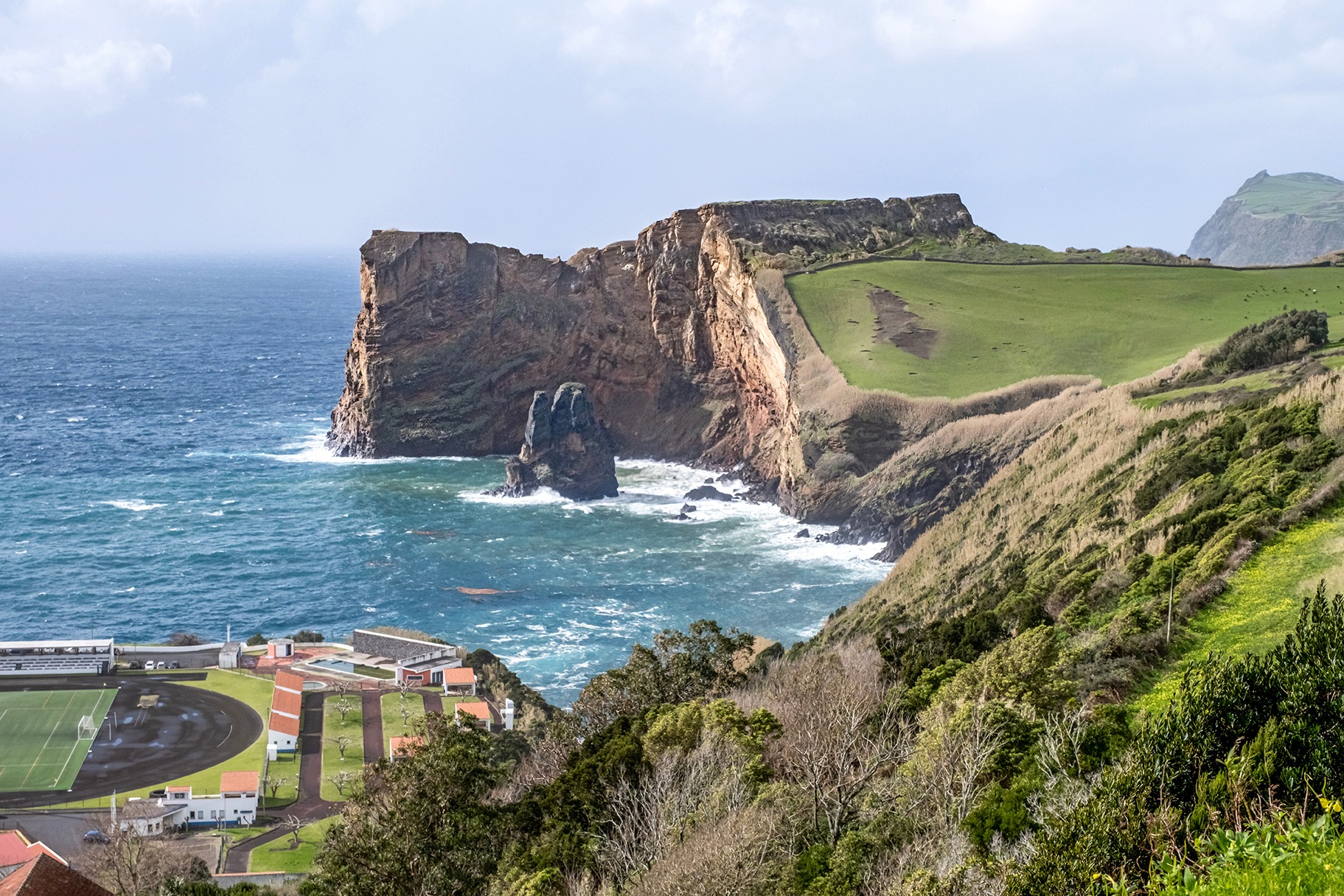
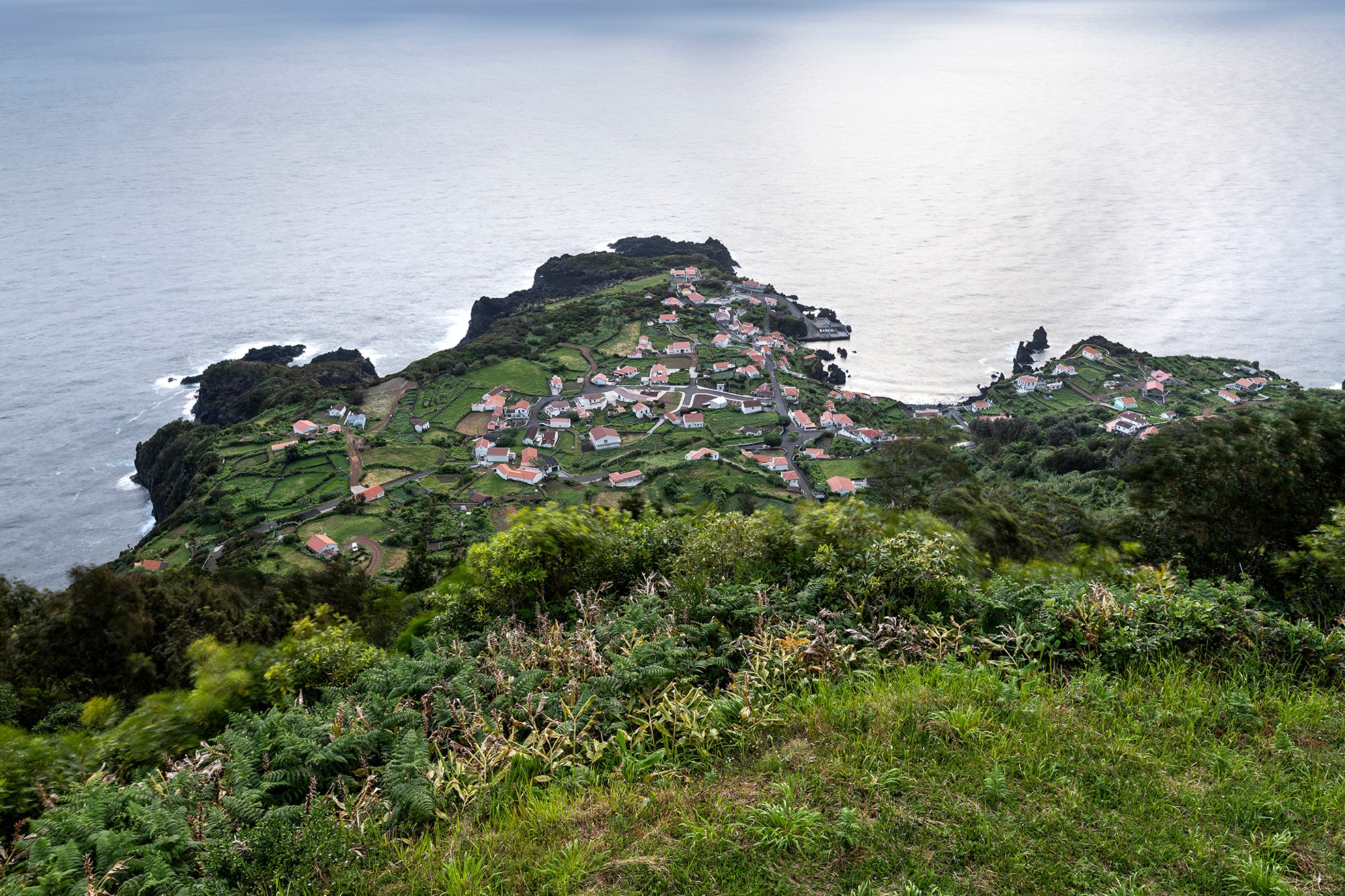
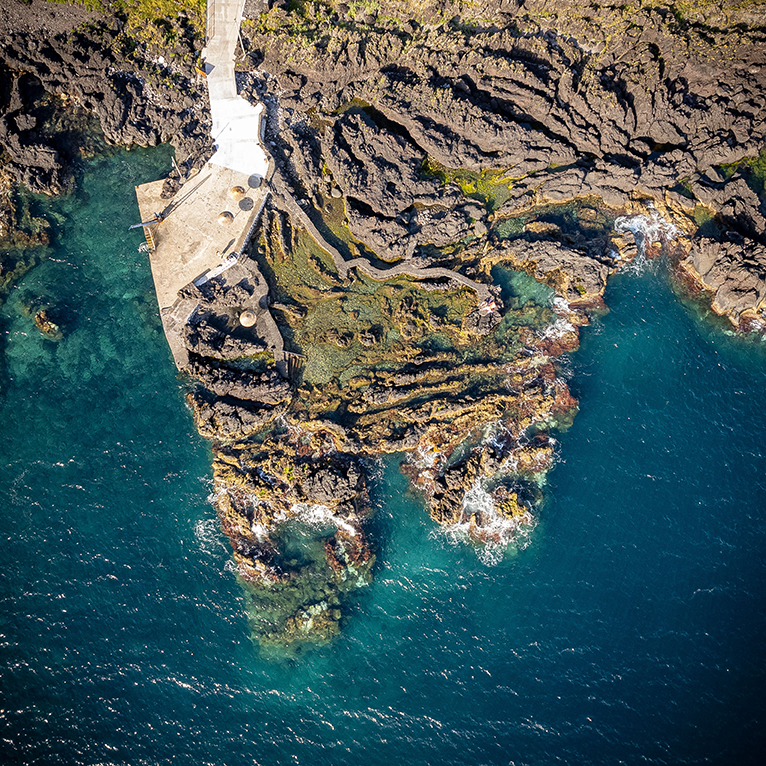
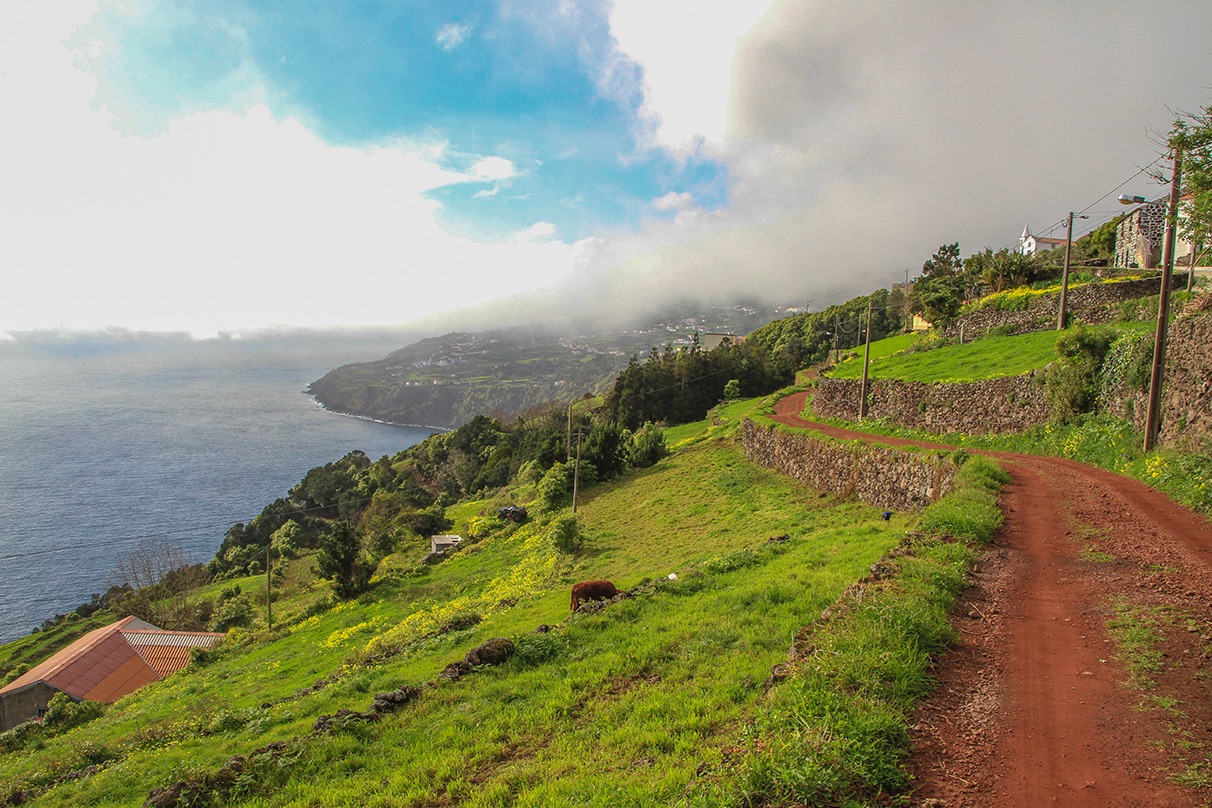
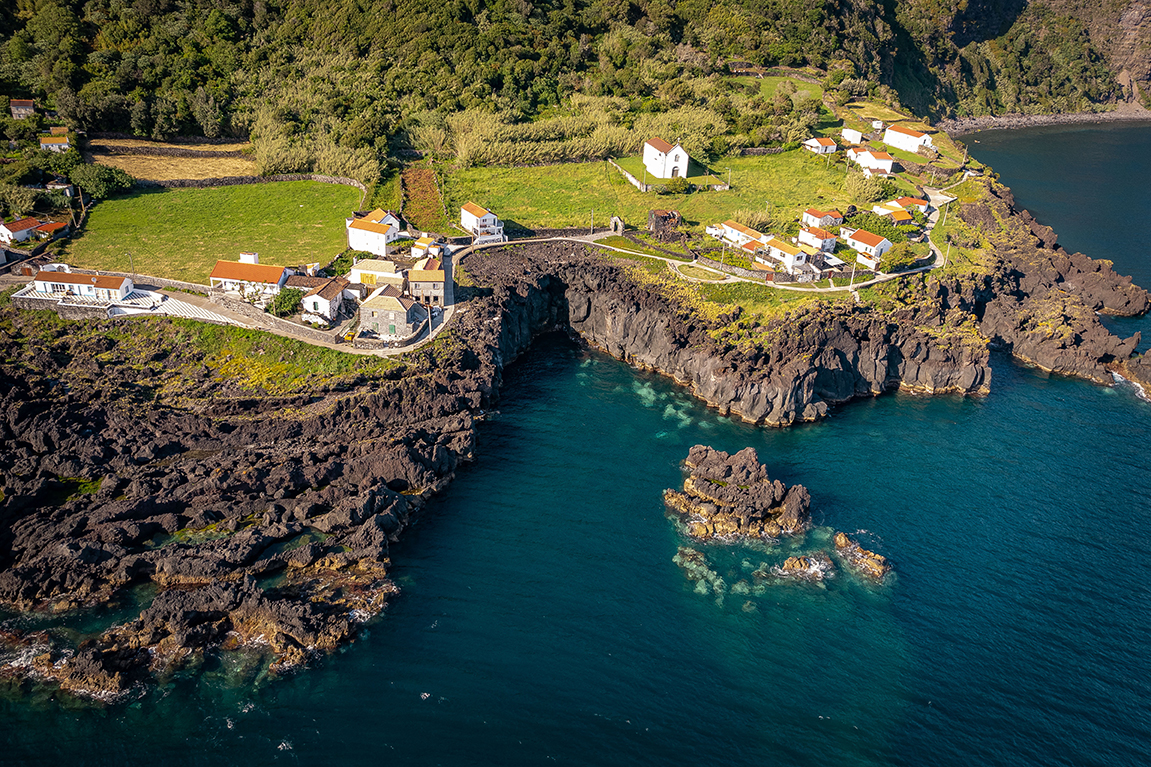
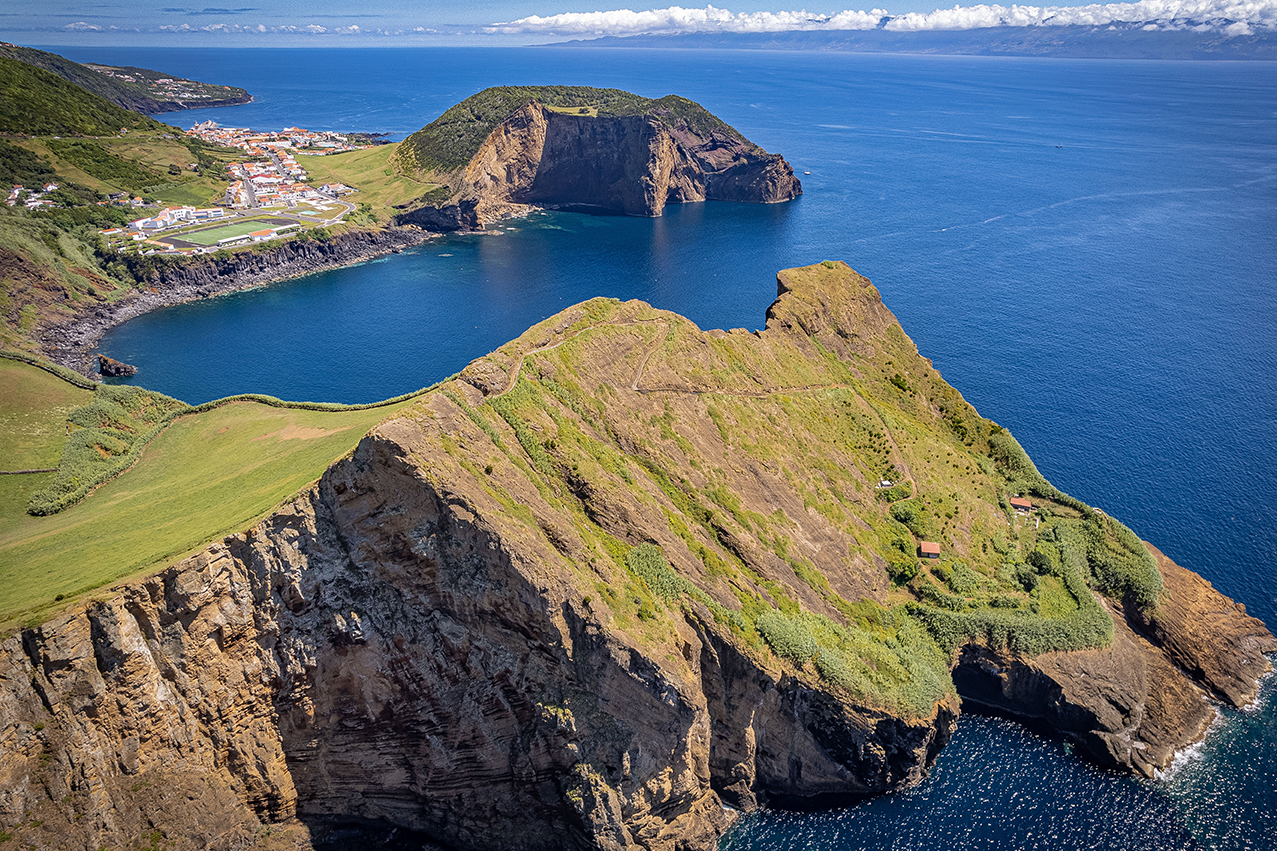
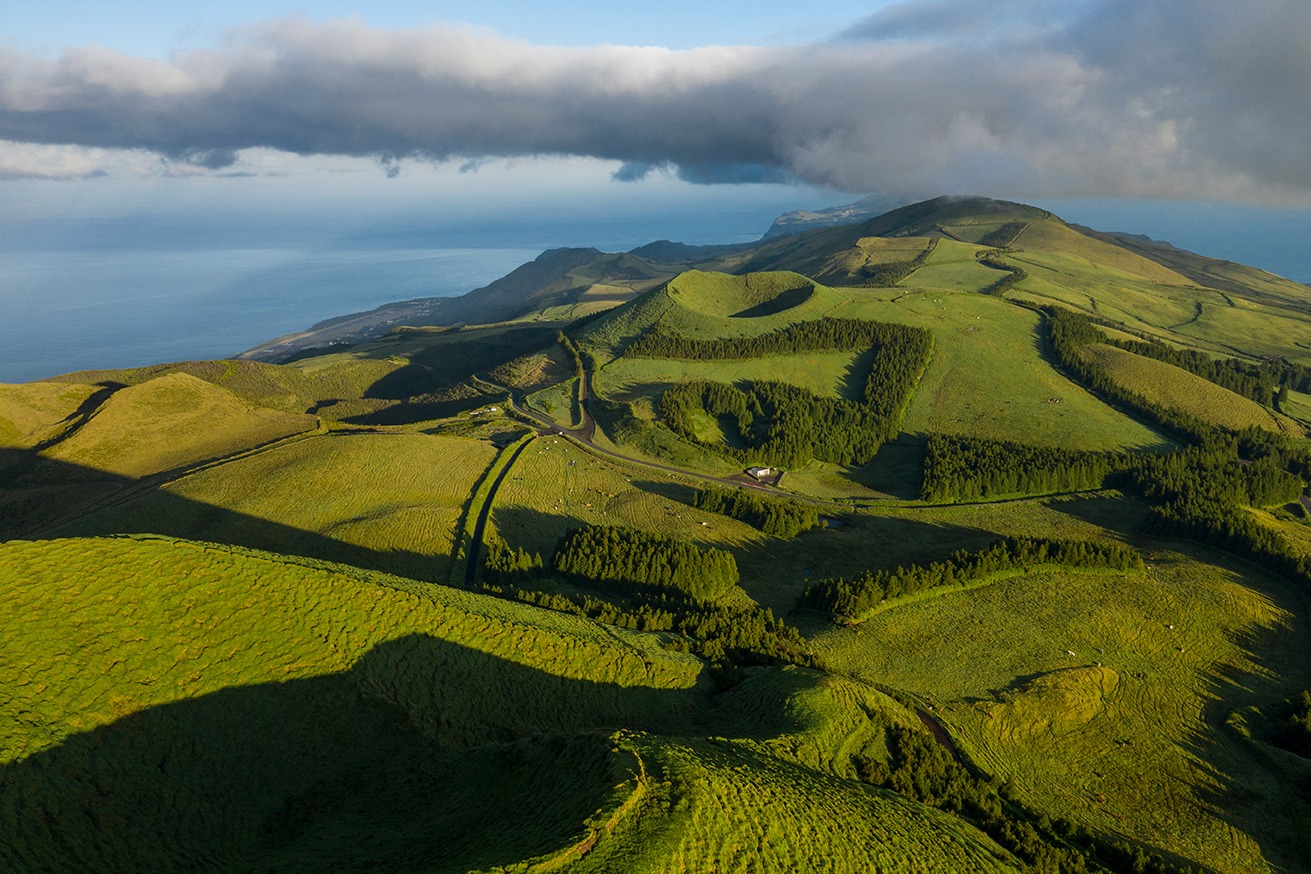
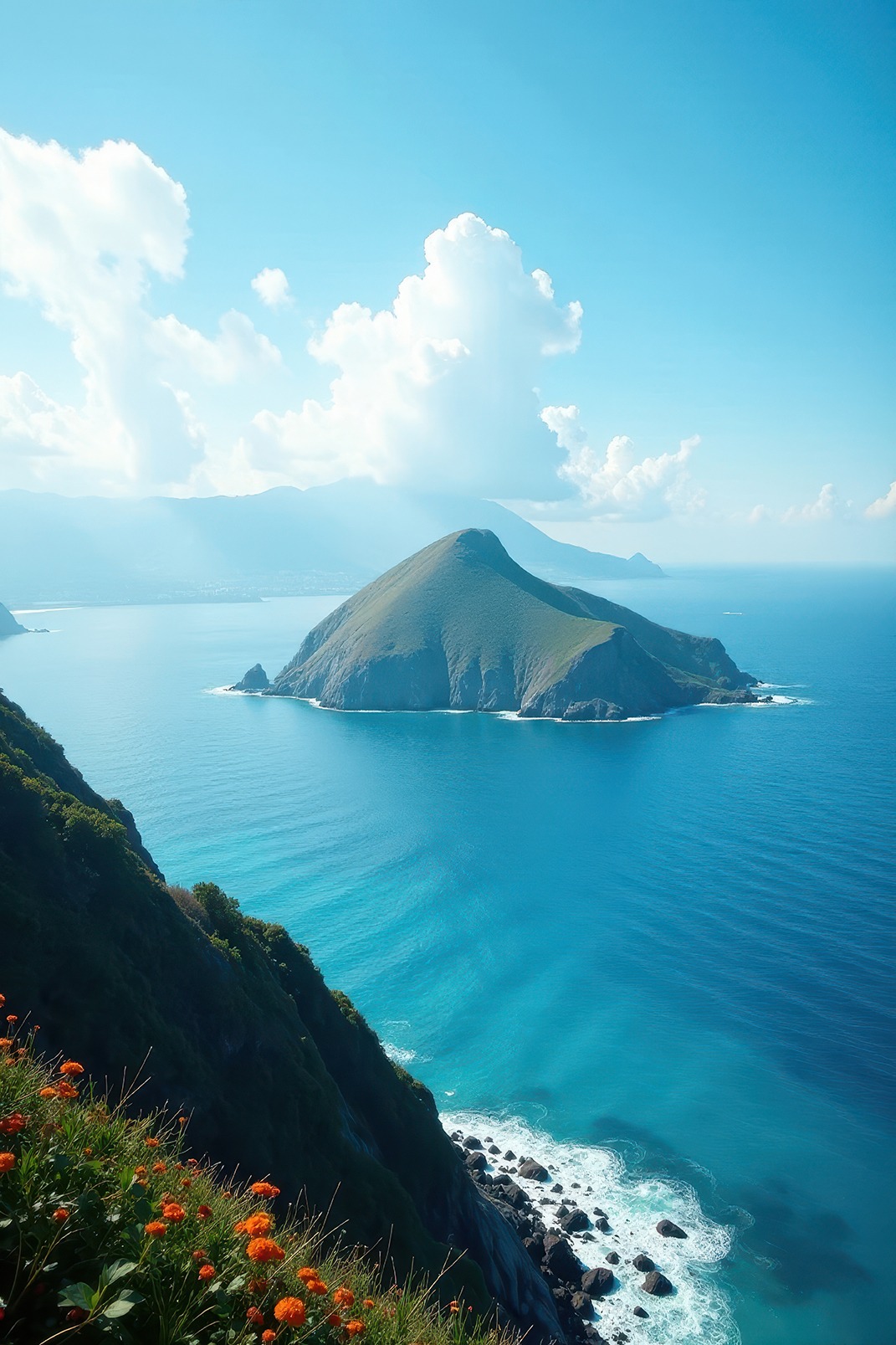
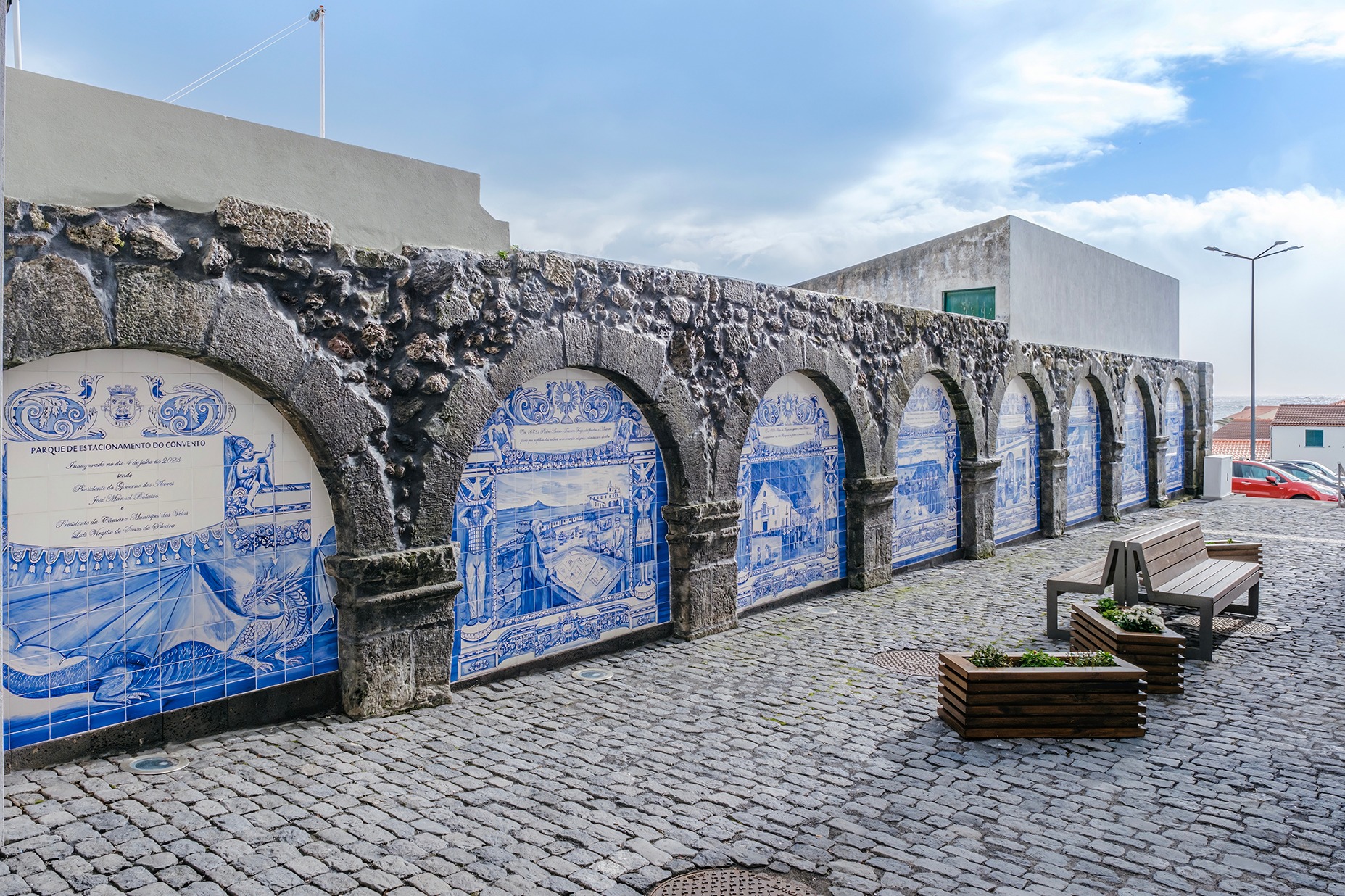
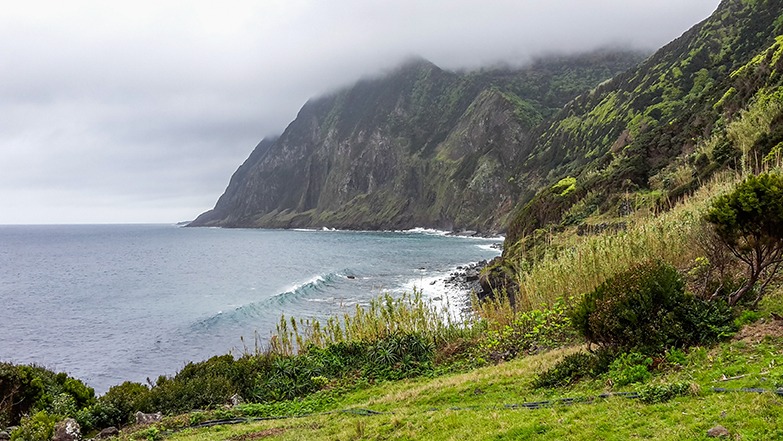
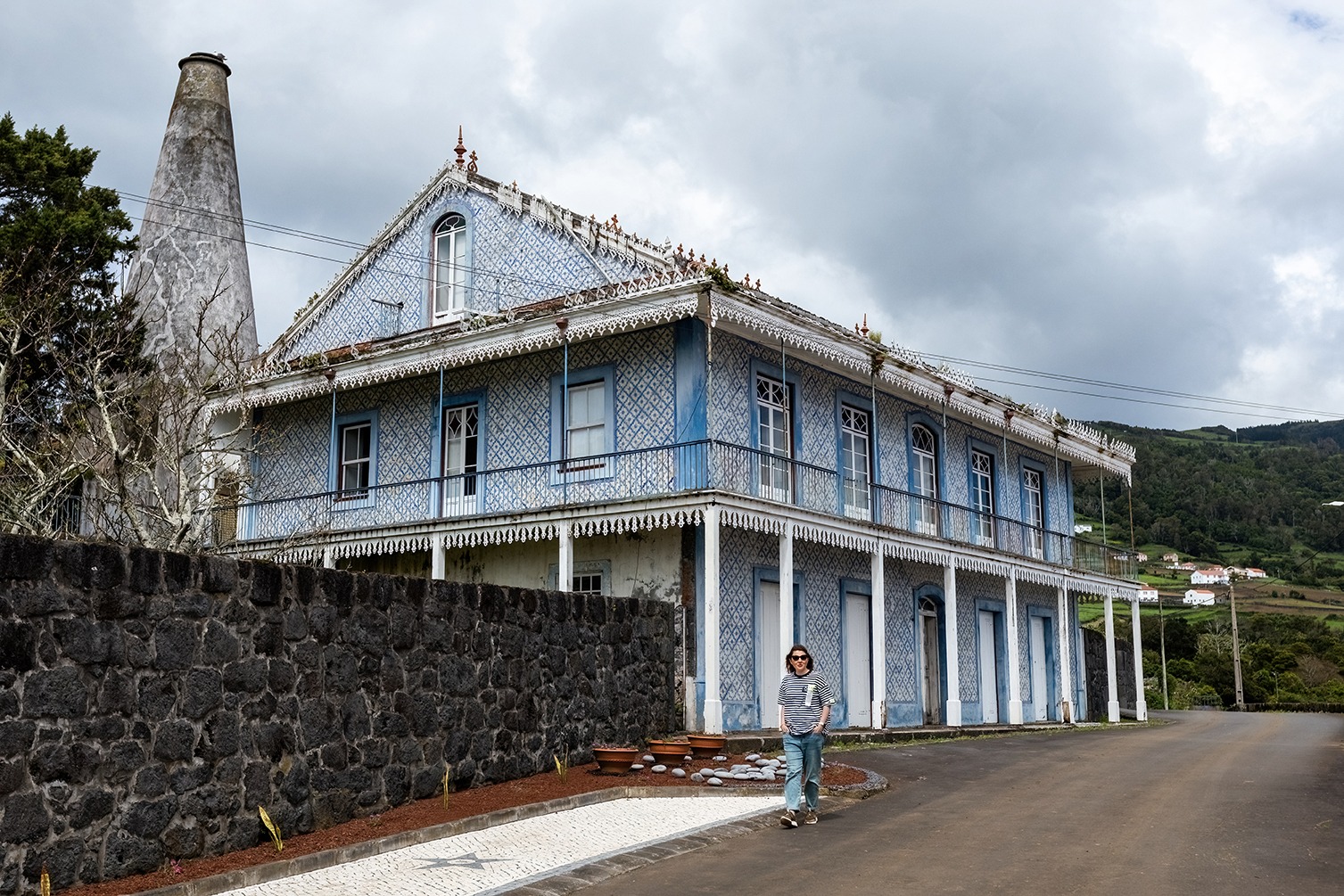
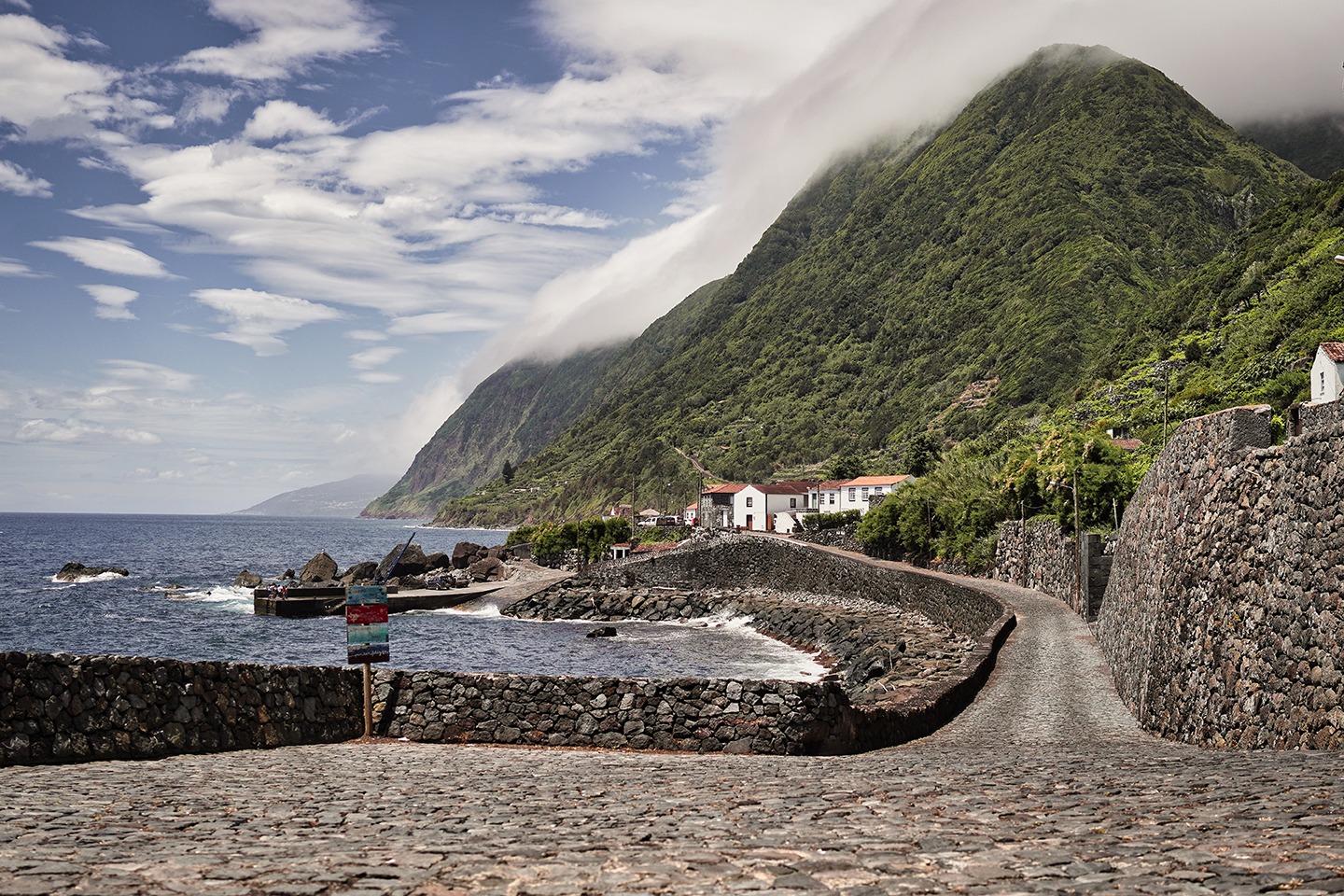
Some islands ask you to look up. São Jorge invites you to look out. Long and narrow, São Jorge stretches across the Atlantic like a green spine rising from the sea.
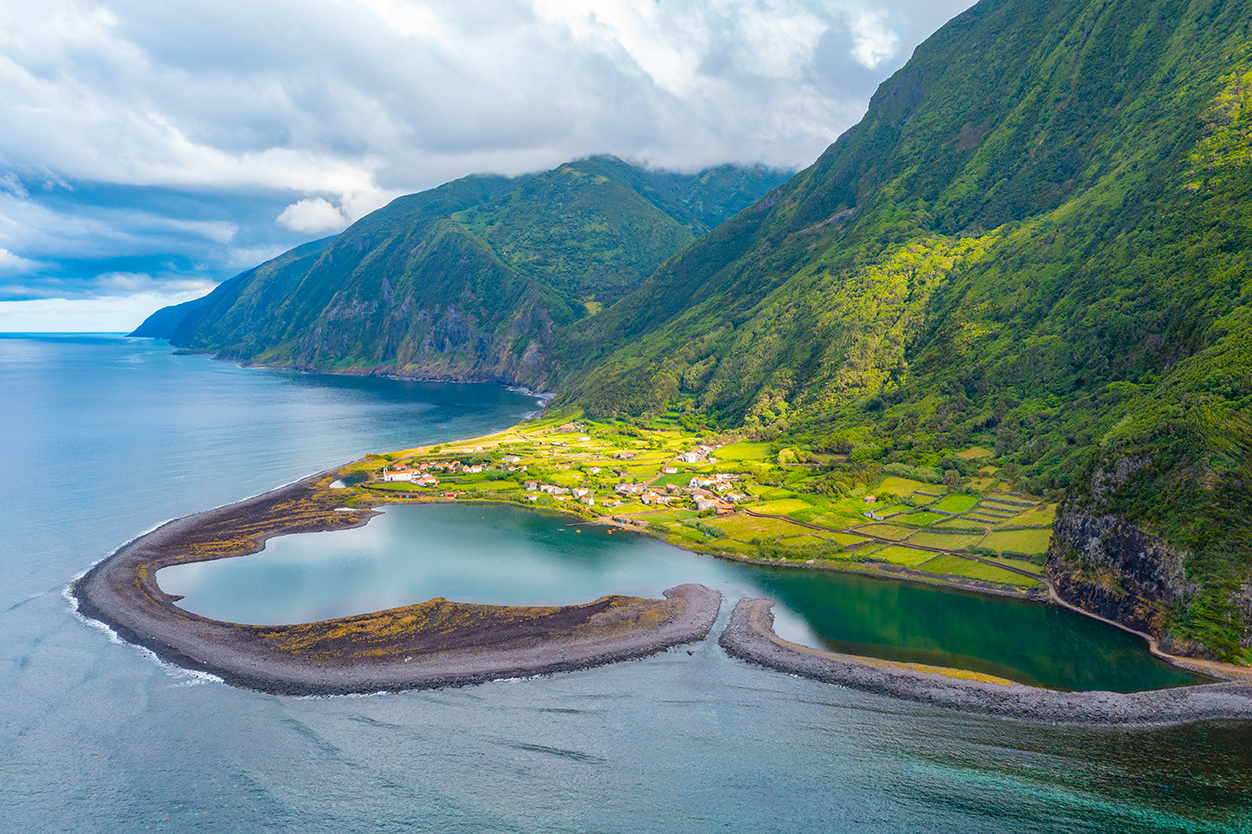
Towering cliffs plunge toward the shoreline, where small coastal plains known as fajãs have formed over centuries through volcanic eruptions and landslides. These remarkable landscapes, found almost nowhere else in the world, have become the island’s defining feature.
Life here has always required determination.For generations, families built homes on these isolated fajãs, farming fertile land, fishing the surrounding waters, and creating close-knit communities connected more by the sea than by roads. Although modern transportation has made the island far more accessible, São Jorge still rewards those willing to slow down and explore beyond the main highway.
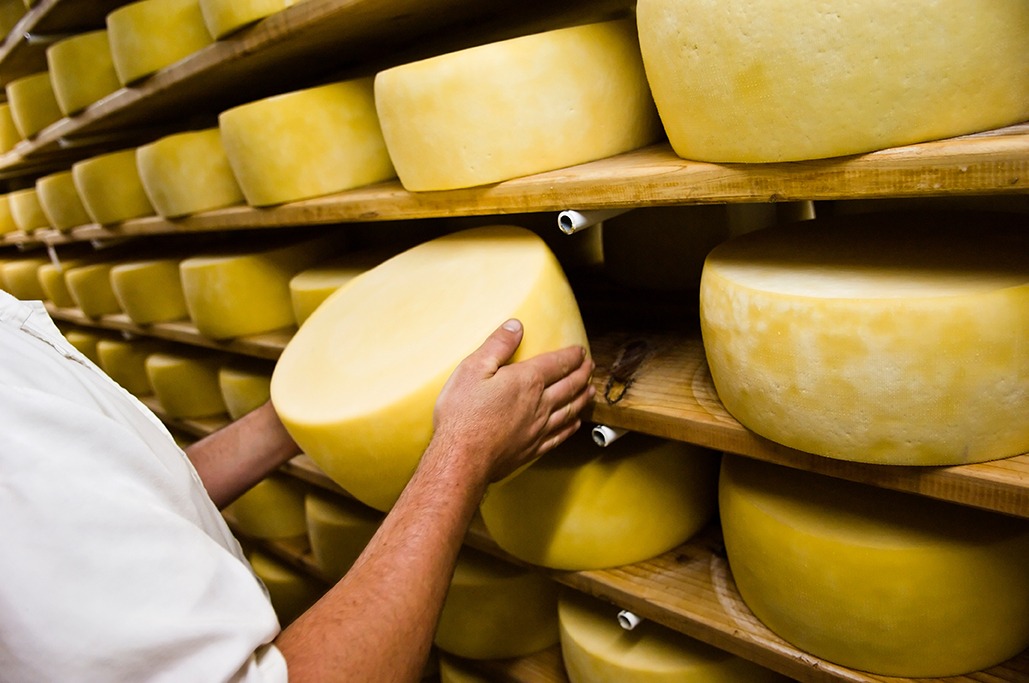
The island is also famous throughout Portugal for its distinctive cheese. Produced from the milk of cows that graze on lush volcanic pastures, São Jorge Cheese has been crafted here for more than five centuries and remains one of the Azores’ most celebrated culinary traditions.
Visitors come for many reasons. Some arrive to hike the island’s legendary trails. Others come to photograph dramatic cliffs, visit quiet villages, taste local cheese, or simply experience one of the most authentic islands in the Azores.
Most leave with a new appreciation for a place where nature still sets the pace of everyday life.
Welcome to São Jorge.
Why Visit São Jorge?
São Jorge offers one of the most rewarding experiences for travelers who enjoy nature, hiking, photography, and authentic island life.
Its spectacular cliffs, peaceful fajãs, scenic viewpoints, and welcoming villages encourage visitors to explore slowly, discovering landscapes that feel both dramatic and deeply personal.
Spend the morning hiking to a secluded coastal plain, enjoy lunch featuring the island’s famous cheese, visit traditional villages surrounded by green pastures, and finish your day watching the Atlantic from a quiet cliffside overlook. Unlike islands known for busy attractions, São Jorge offers something increasingly rare.
Space.
Silence.
And the opportunity to experience the Azores as much as generations of islanders have for centuries.
Island Snapshot
A Brief History
São Jorge was settled during the fifteenth century by Portuguese families seeking new opportunities in the Azores. The island’s steep terrain and towering cliffs made farming challenging, yet its fertile volcanic soil supported agriculture, livestock, and small communities that gradually spread across the island.
The most remarkable settlements developed on the fajãs—flat coastal plains formed by lava flows and landslides at the base of the island’s cliffs. For centuries, many of these communities could only be reached by foot or by sea, creating a way of life shaped by resilience, cooperation, and self-sufficiency.
Agriculture has always been central to São Jorge’s identity. The island’s rich pastures support dairy farming, and its famous cheese has earned international recognition for its distinctive flavor and centuries-old production methods.
Today, while modern roads connect communities across the island, São Jorge has preserved much of its traditional character. Visitors continue to discover an island where nature, agriculture, and community remain closely connected.
Did You Know?
- São Jorge is famous for its dramatic fajãs, found at the base of the island’s towering cliffs.
- The island produces one of Portugal’s best-known cheeses, protected with a Protected Designation of Origin (PDO).
- Some fajãs were once accessible only by boat or steep footpaths.
- São Jorge offers some of the most highly rated hiking trails in the Azores.
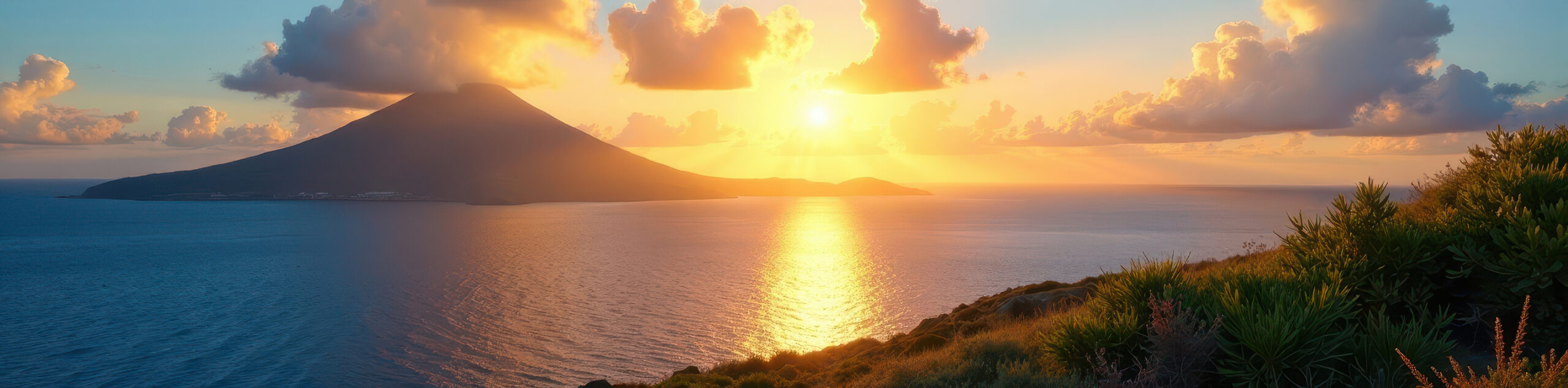
- On clear days, Pico appears remarkably close across the channel.
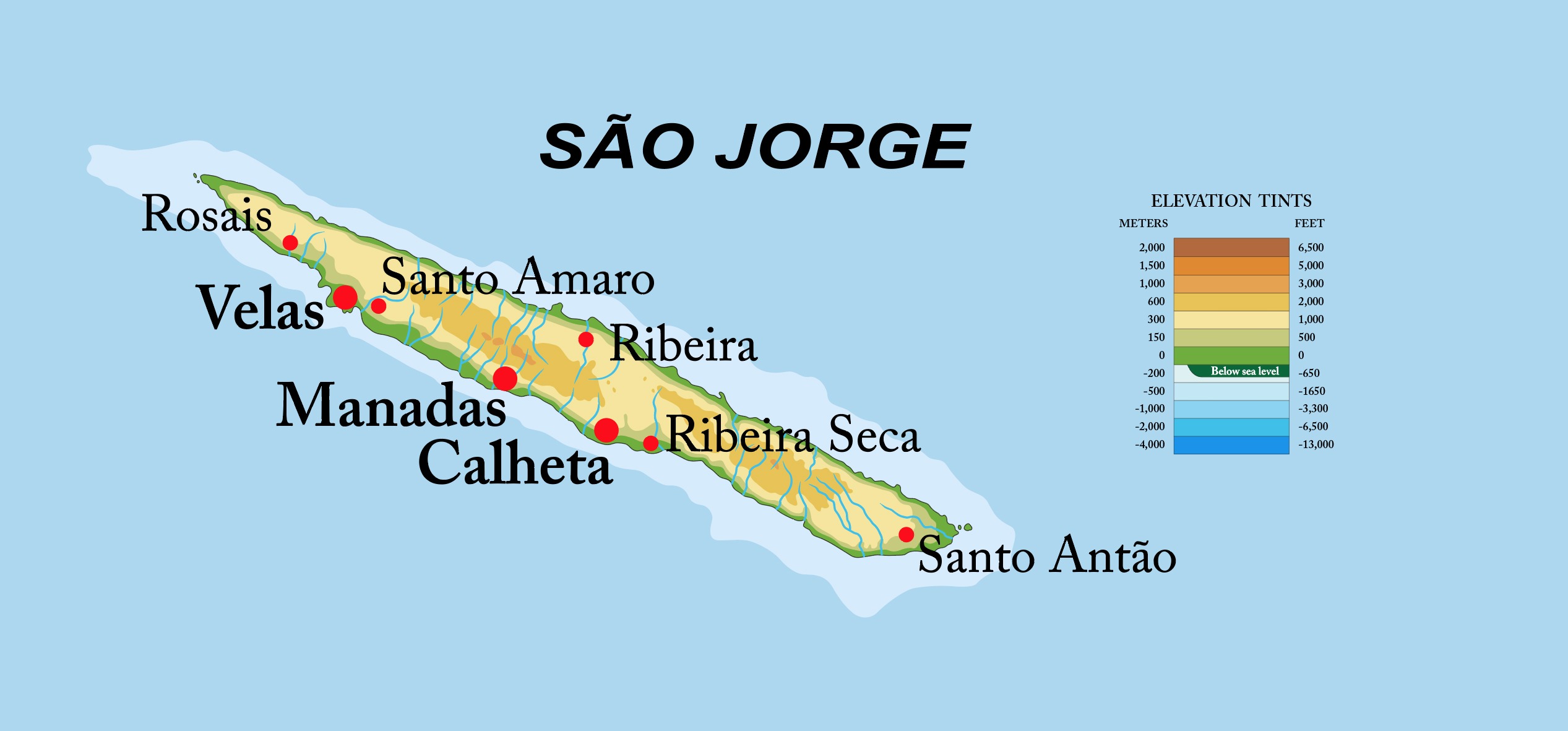
- The island stretches approximately 54 kilometers (34 miles) in length while remaining relatively narrow throughout.
Getting Around
The best way to experience São Jorge is by car.
The island’s scenic roads connect villages, hiking trailheads, viewpoints, and coastal communities while offering spectacular views around nearly every bend. Distances are short, but frequent photo stops often make journeys longer than expected—in the best possible way.
Many of São Jorge’s most famous fajãs require a hike to reach, so comfortable walking shoes are essential even if you’re primarily exploring by car. Some trails descend steeply to the coast before climbing back to the island’s plateau, rewarding hikers with unforgettable scenery along the way.
Allow yourself extra time.
São Jorge isn’t an island to rush through.
It’s one to experience slowly.
If You Only Have One Day...
Begin your morning in Velas, exploring its charming waterfront and historic streets before driving to one of the island’s spectacular viewpoints overlooking the Atlantic. Continue to Fajã da Caldeira de Santo Cristo, one of São Jorge’s most celebrated landscapes. If you’re up for the hike, the trail rewards you with breathtaking scenery, a peaceful lagoon, and one of the most iconic views in the Azores.
Enjoy lunch featuring authentic São Jorge Cheese, then spend the afternoon visiting local cheese producers or driving the island’s scenic ridge roads, stopping often to admire dramatic cliffs and neighboring Pico rising across the channel.
Finish the day watching the sunset from one of the island’s many miradouros, where the Atlantic stretches endlessly beyond the green landscape.
Natural Wonders
São Jorge is unlike any other island in the Azores.
Rather than broad volcanic craters or towering peaks, the island is defined by dramatic cliffs that plunge hundreds of meters into the Atlantic, creating one of the most spectacular coastlines in Portugal. At the base of these cliffs lie the island’s famous fajãs—small coastal plains formed by ancient lava flows and landslides that have become symbols of São Jorge’s identity.
Among the most celebrated is Fajã da Caldeira de Santo Cristo, a place of extraordinary natural beauty where towering cliffs surround a peaceful lagoon beside the Atlantic. Accessible primarily by hiking trail, it is famous for its serene atmosphere, traditional homes, and the island’s unique population of clams found in the lagoon.
Nearby, Fajã dos Cubres offers another unforgettable landscape, where wetlands, coastal scenery, and quiet walking paths create an ideal setting for birdwatching, photography, and peaceful exploration. The island’s central ridge provides breathtaking panoramic views in every direction.
Scenic miradouros overlook dramatic valleys, patchwork fields, neighboring islands, and the endless Atlantic beyond. On clear days, Mount Pico rises prominently across the channel, creating one of the most iconic vistas in the Azores.
Throughout São Jorge, waterfalls tumble down steep cliffs after seasonal rains, while dense forests and native vegetation blanket the island’s interior.
Nature doesn’t simply surround you here.
It accompanies you everywhere you go.
Outdoor Adventures
São Jorge is widely considered one of the finest hiking destinations in the Azores.
Its extensive trail network leads visitors across volcanic ridges, through forests, past waterfalls, and down ancient paths connecting the island’s famous fajãs. Each hike reveals a different perspective of the island, rewarding walkers with dramatic coastal scenery, peaceful farmland, and unforgettable Atlantic views.
The trail to Fajã da Caldeira de Santo Cristo is among the most celebrated hikes in Portugal. Descending from the island’s highlands to the coast, it passes waterfalls, native vegetation, and towering cliffs before arriving at one of the Azores’ most breathtaking landscapes.
For a gentler experience, shorter trails connect scenic viewpoints, traditional villages, and coastal lookouts, making the island enjoyable for hikers of every ability.
The surrounding Atlantic also offers outstanding opportunities for kayaking, scuba diving, fishing, and seasonal whale and dolphin watching. Several fajãs provide access to natural swimming areas where crystal-clear ocean water fills volcanic pools protected from the open sea.
Cyclists will enjoy the quiet roads and constantly changing scenery, though the island’s steep terrain provides a rewarding challenge.
Whether you’re hiking to a secluded coastal plain or watching dolphins from the deck of a boat, adventure on São Jorge is always accompanied by extraordinary scenery.
Towns & Villages
São Jorge’s communities reflect a way of life shaped by both the mountains and the sea.
The island’s largest town, Velas, welcomes visitors with its picturesque harbor, historic churches, colorful waterfront, and relaxed atmosphere. As the island’s cultural and administrative center, Velas offers museums, cafés, local shops, and excellent restaurants serving traditional Azorean cuisine.
Further east, Calheta provides another charming glimpse into island life. Its marina, quiet streets, and surrounding farmland reflect São Jorge’s agricultural heritage while serving as a gateway to several hiking trails and scenic viewpoints.
Beyond these towns, small villages are scattered along the island’s ridges and coastal slopes. Whitewashed homes, traditional chapels, grazing cattle, and carefully maintained gardens create landscapes that feel remarkably unchanged by time.
Many villages overlook spectacular cliffs, while others sit near the trailheads leading to the island’s famous fajãs.
Wherever you stop, you’ll find communities that value hospitality, tradition, and a close connection to the land.
Along the Coast
The coastline of São Jorge is among the most dramatic in the Azores.
Towering cliffs rise directly from the Atlantic, interrupted only by small fajãs, natural swimming areas, fishing harbors, and narrow coves that have sheltered island communities for centuries.
Several coastal villages continue to maintain close ties to the sea, where fishing remains an important part of local life. Small harbors welcome colorful boats returning with the day’s catch, while waterfront restaurants serve fresh seafood overlooking the Atlantic.
Natural swimming pools formed by volcanic rock provide refreshing places to enjoy the ocean during the summer months. Unlike sandy beaches, these pools offer a uniquely Azorean experience, where crystal-clear seawater fills ancient lava formations.
Throughout the coastline, scenic viewpoints invite travelers to pause and admire the immense cliffs that make São Jorge one of the most visually dramatic islands in the archipelago.
The sea may define the island’s edges.
But it has always connected its people.
Family Experiences
São Jorge is an excellent destination for families who enjoy spending time outdoors together. Children are fascinated by the island’s dramatic landscapes, waterfalls, and natural swimming areas, while parents appreciate the peaceful atmosphere and slower pace of life. Scenic drives between viewpoints provide constant opportunities to stop, explore, and enjoy spectacular views without traveling long distances.
Families with older children often enjoy hiking one of the island’s famous trails, especially routes leading to the fajãs, where every turn reveals another breathtaking panorama. Easier walks around villages and coastal viewpoints ensure that visitors of all ages can experience the island’s natural beauty.
A visit to a local cheese producer offers another memorable experience. Watching how São Jorge Cheese is made—and tasting it fresh from the source—connects visitors to one of the island’s oldest traditions. More than anything else, São Jorge offers families the opportunity to disconnect from busy schedules and reconnect with one another.
Here, the best memories are often made while sharing a quiet trail, a scenic overlook, or a simple picnic with the Atlantic stretching out below.
Savor Santa Maria
Food on São Jorge is a reflection of the island itself—honest, flavorful, and deeply connected to the land. The island’s fertile pastures support one of the strongest dairy traditions in the Azores, producing cheeses that have earned international recognition.
At the heart of that tradition is São Jorge Cheese, a Protected Designation of Origin (PDO) cheese that has been crafted here for more than 500 years. Aged for several months, it is known for its firm texture and distinctive spicy, slightly tangy flavor that cheese lovers travel here to experience.
Visitors can stop at local cheese shops or visit the União de Cooperativas Agrícolas de Lacticínios de São Jorge, where you’ll learn about the cheesemaking process and sample one of the island’s most celebrated products.
Fresh seafood is equally important. Limpets (lapas), octopus, tuna, and locally caught fish appear on menus throughout the island, often prepared simply with olive oil, garlic, and herbs. Traditional soups, locally raised beef, homemade breads, and seasonal vegetables reflect generations of family cooking that continues today.
Meals are rarely hurried.
Lunch often stretches into conversation, dinner is meant to be shared, and visitors quickly discover that hospitality remains one of São Jorge’s favorite traditions.
Whether you’re enjoying fresh seafood overlooking the Atlantic or sharing bread and cheese at a village café, every meal offers another opportunity to experience the island’s way of life.
Local Favorite
Ask someone from São Jorge where they go when they need to clear their mind, and you may hear a surprising answer.
They’ll tell you to hike to a fajã.
Not because it’s famous.
Because that’s where the island feels most like itself.
The walk down is part of the experience. Every turn reveals another view of the cliffs, the ocean, and the small coastal plain waiting below. Once you arrive, everything seems quieter. Waves replace traffic, birds replace busy conversations, and time slows almost without notice.
Many locals bring a simple lunch, spend the afternoon walking, fishing, or swimming, and return only when the light begins to soften.
It’s not about reaching a destination.
It’s about appreciating the journey.
Picture Perfect
São Jorge rewards photographers with dramatic cliffs, peaceful fajãs, and some of the most spectacular coastal scenery in the Azores.
Best Sunrise
Miradouro da Fajã dos Cubres
Watch the first light illuminate the lagoon, surrounding cliffs, and the Atlantic beyond.
Best Sunset
Velas Waterfront
As the sun sets behind neighboring Faial and Pico, the harbor glows with warm evening light while fishing boats return home.
The Classic View
Fajã da Caldeira de Santo Cristo
Towering cliffs, a peaceful lagoon, and the Atlantic combine to create one of the Azores’ most iconic landscapes.
Worth the Short Walk
PR01 Serra do Topo to Fajã da Caldeira de Santo Cristo
Every turn along this famous trail offers breathtaking photography opportunities, from waterfalls and forests to dramatic ocean vistas.
Most Peaceful Spot
Fajã dos Cubres
Its calm lagoon, wetlands, and quiet atmosphere make this one of the island’s most tranquil places.
Best Coastal View
Miradouro das Velas
From here, the Atlantic stretches endlessly toward Pico while green pastures and volcanic cliffs define São Jorge’s remarkable landscape.
Returning Home:
Reconnecting with Your Azorean Heritage
For many Azorean families around the world, São Jorge represents resilience, tradition, and a deep connection to the land.
Over the centuries, thousands of island residents emigrated to North America, carrying with them family recipes, farming traditions, religious celebrations, and a love for the island’s famous cheese. Many descendants return today to visit the villages where grandparents and great-grandparents once lived.
Walking through a quiet parish, visiting a family church, or standing on a fajã where generations worked the land often creates an emotional connection that no family tree can fully capture.
If you’re tracing your ancestry, begin with your family’s freguesia (parish). Local churches, municipal archives, and cemeteries preserve valuable historical records, while conversations with longtime residents often reveal stories that have never been written down.
Even visitors without family connections quickly understand why São Jorge remains so special to those who left.
Its beauty isn’t measured by famous landmarks.
It’s found in the quiet places where generations built lives surrounded by cliffs, ocean, and community.
Festivals & Traditions
Life on São Jorge has always revolved around faith, family, agriculture, and community. Throughout the year, towns and villages celebrate these traditions with festivals that bring together residents, returning emigrants, and visitors eager to experience authentic island life.
Brass bands perform in village squares, churches are beautifully decorated, neighbors prepare traditional foods, and families reunite to celebrate customs that have endured for centuries. While São Jorge’s festivals are often smaller than those on some neighboring islands, they offer visitors something equally meaningful—a genuine opportunity to experience the warmth of the community.
Semana Cultural das Velas
Season: July
The Semana Cultural das Velas is São Jorge’s largest annual celebration, transforming the island’s principal town into a lively festival of music, culture, and community. For more than three decades, the festival has brought together local artists, musicians, artisans, sports competitions, exhibitions, and food vendors, creating a week-long celebration that attracts visitors from across the Azores and the Azorean diaspora.
Concerts take place along the waterfront, traditional folklore groups perform throughout the town, and evenings are filled with music, conversation, and the unmistakable atmosphere of a community celebrating together.
What You'll Experience
Travel Tip: Reserve accommodations early if visiting during the festival, as hotels and local guesthouses
fill quickly.
Festas do Espírito Santo (Holy Spirit Festivals)
Season: Spring through Early Summer
The Holy Spirit Festivals remain among São Jorge’s most treasured traditions.
Each parish celebrates with decorated Impérios, religious processions, brass bands, community feasts, and ceremonies centered on generosity and hospitality. Families return from abroad specifically for these celebrations, making them an important homecoming for many islanders.
What You'll Experience
Travel Tip: Visitors are warmly welcomed. These celebrations offer one of the most authentic opportunities to experience Azorean culture firsthand.
Festival do Queijo de São Jorge (São Jorge Cheese Festival)
Season: Summer
One of São Jorge’s most distinctive celebrations honors the product that has made the island famous throughout Portugal—its cheese.
Local producers showcase award-winning cheeses while visitors enjoy tastings, culinary demonstrations, regional wines, artisan products, and cultural performances celebrating the island’s agricultural traditions.
For food lovers, it’s one of the best times of year to visit.
What You'll Experience
Travel Tip: Bring an insulated bag if you plan to purchase cheese to take home.
Village Summer Festivals
Season: Summer
Throughout the island, villages celebrate their patron saints with music, dancing, traditional foods, and religious processions. These community festivals reflect the close relationships that continue to define life on São Jorge and offer visitors a wonderful opportunity to experience local hospitality.
Christmas & Easter Traditions
Christmas and Easter remain deeply meaningful throughout São Jorge.
Churches host special liturgies, choirs perform traditional music, and families gather to celebrate with recipes and customs passed from one generation to the next. Holy Week processions and Christmas celebrations continue to strengthen the island’s strong sense of community.
Planning Your Visit
Festival dates vary from year to year, particularly religious celebrations that follow the liturgical calendar. If you’re planning your visit around a particular event, consult the official municipal calendar or local tourism office before making travel arrangements.
Summer festivals are especially popular with returning emigrants, so booking accommodations early is recommended.
Frequently Asked Questions
How many days should I spend on São Jorge?
Three to five days allows enough time to explore the island’s hiking trails, fajãs, villages, viewpoints, and local culinary traditions.
What is São Jorge best known for?
São Jorge is famous for its dramatic fajãs, spectacular hiking trails, award-winning cheese, towering cliffs, and breathtaking Atlantic scenery.
Are the hiking trails difficult?
The island offers trails for a variety of skill levels. Some routes involve steep descents and climbs, particularly those leading to the fajãs, while others are shorter and more accessible.
Can I buy authentic São Jorge Cheese?
Yes. Local shops, cooperatives, and producers across the island offer authentic São Jorge Cheese, including several varieties aged for different lengths of time.
Do I need a rental car?
Yes. Renting a car is the easiest way to reach trailheads, scenic viewpoints, villages, and many of the island’s natural attractions.
Is São Jorge family-friendly?
Absolutely. Families enjoy scenic drives, shorter walking trails, cheese tastings, natural swimming areas, and the island’s peaceful atmosphere.
Is English widely spoken?
English is commonly spoken in hotels, restaurants, and tourism-related businesses, though learning a few Portuguese greetings is always appreciated.
Until Next Time...
Some places ask to be photographed.
São Jorge asks to be experienced.
Perhaps you’ll remember the sound of waterfalls echoing through a valley, the walk down to a quiet fajã, or the taste of freshly cut São Jorge Cheese shared around a simple table.
Or perhaps you’ll remember the silence.
The kind that’s only broken by waves, birds, and the breeze moving through the cliffs.
That’s São Jorge.
An island that doesn’t compete for your attention.
It simply invites you to slow down, look a little closer, and discover the beauty found in life’s quieter moments.
Whether you’ve come to hike its remarkable trails, reconnect with your family’s heritage, or simply experience one of the Azores’ most peaceful islands, we hope São Jorge leaves you inspired to return.
Every island tells its own story. We hope you’ll discover them all.
Explore the Other Azores Islands
Every island in the Azores offers its own landscapes, traditions, and unforgettable experiences. While São Jorge is often the first stop for many travelers, it’s only the beginning of the journey.
São Miguel
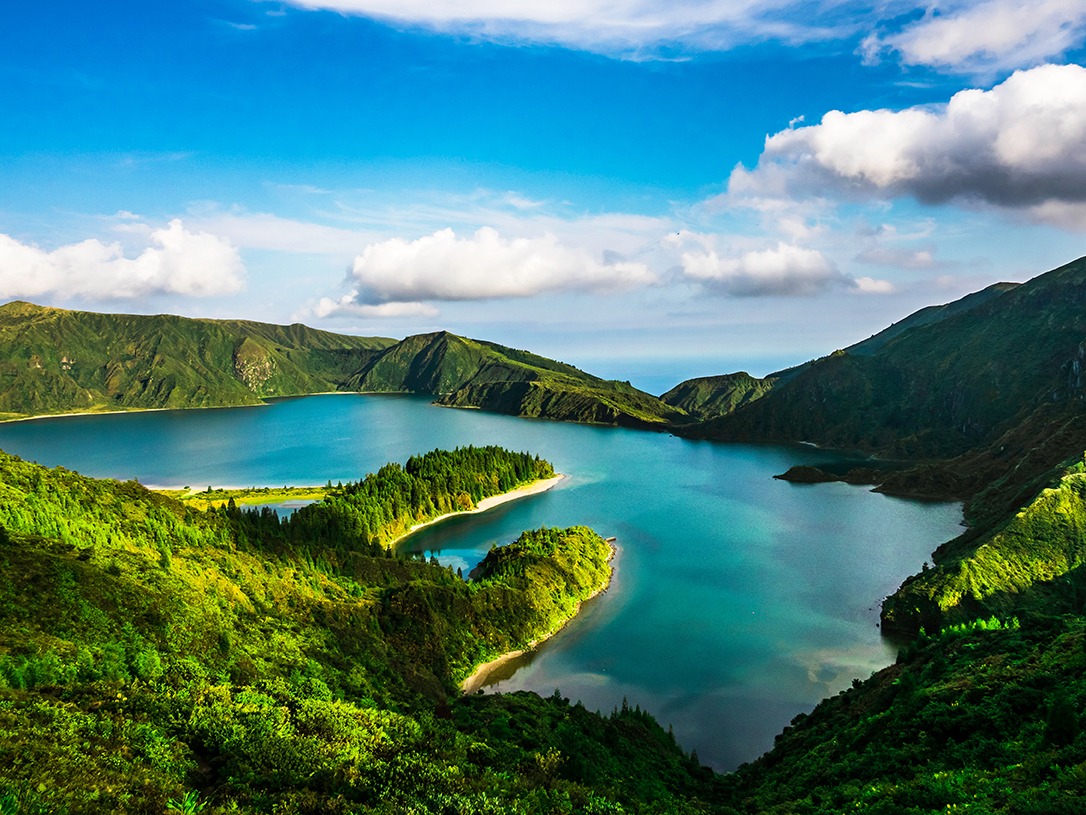
Known as the Green Island, São Miguel is famous for its volcanic crater lakes, geothermal hot springs, lush landscapes, tea plantations, and charming towns. As the largest island in the Azores, it offers the perfect blend of natural beauty, adventure, and local culture.
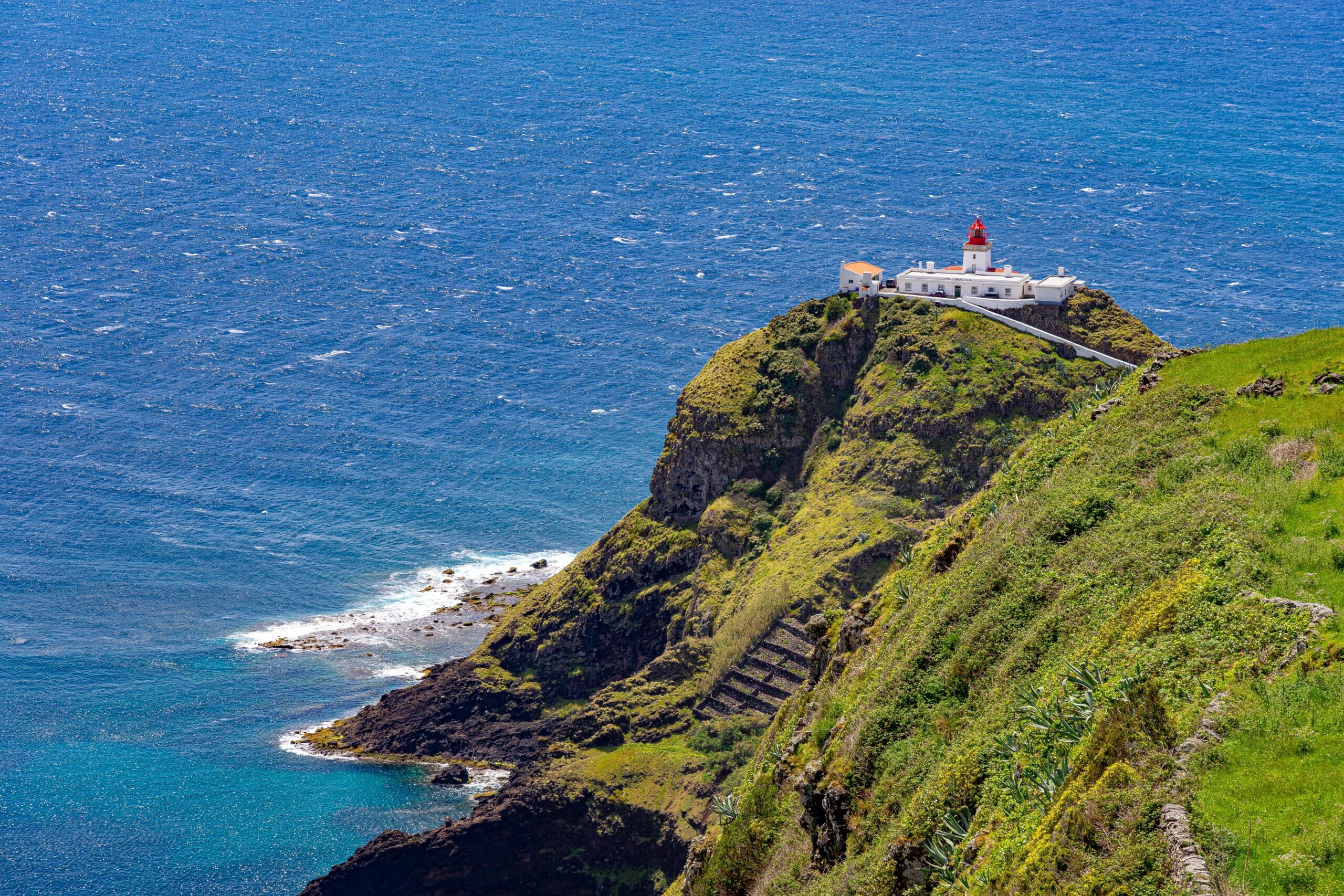
Santa Maria
Known as the Island of the Sun, Santa Maria is famous for its golden sandy beaches, warm climate, fossil-rich coastline, and relaxed pace of life. It’s the perfect destination for visitors looking to unwind while enjoying one of the oldest islands in the archipelago.
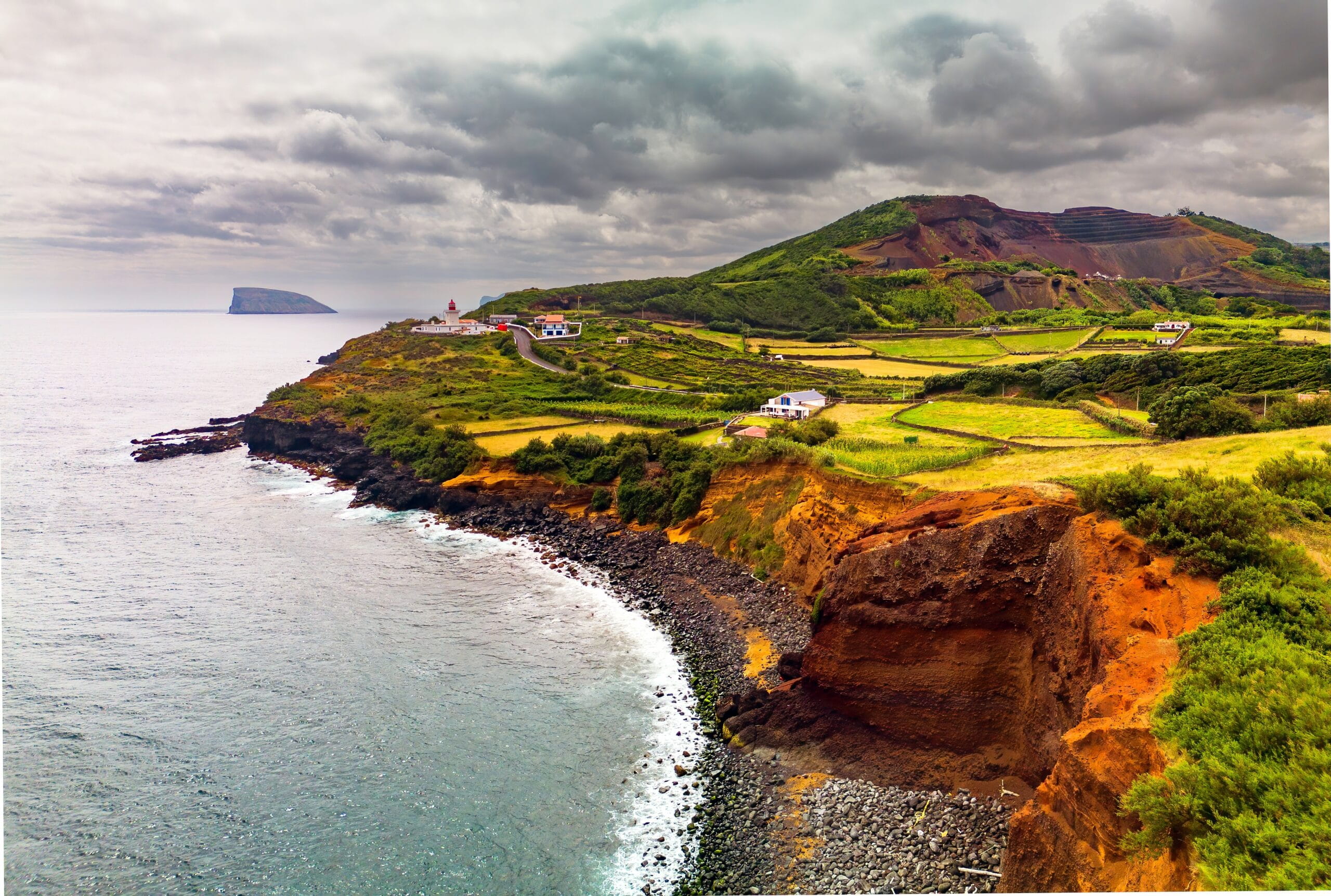
Terceira
A UNESCO World Heritage city, colorful festivals, lively traditions, and centuries of history make Terceira one of the cultural hearts of the Azores. From Angra do Heroísmo to the island’s famous Sanjoaninas celebrations, Terceira is rich in heritage and community spirit.
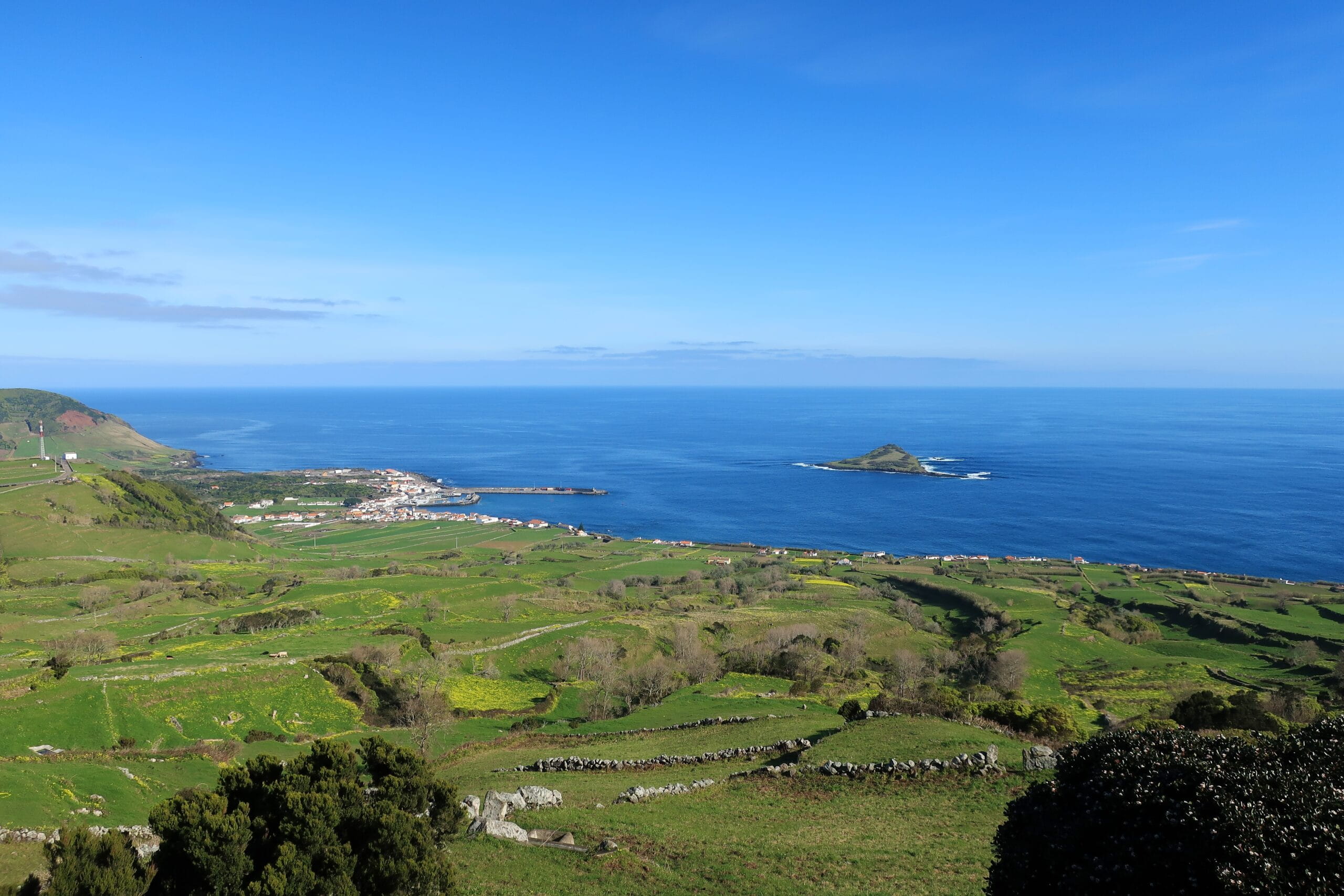
Graciosa
Peaceful, welcoming, and wonderfully unhurried, Graciosa is known for its whitewashed villages, traditional windmills, vineyards, and the remarkable Furna do Enxofre volcanic cave. It’s an island where quiet moments become lasting memories.
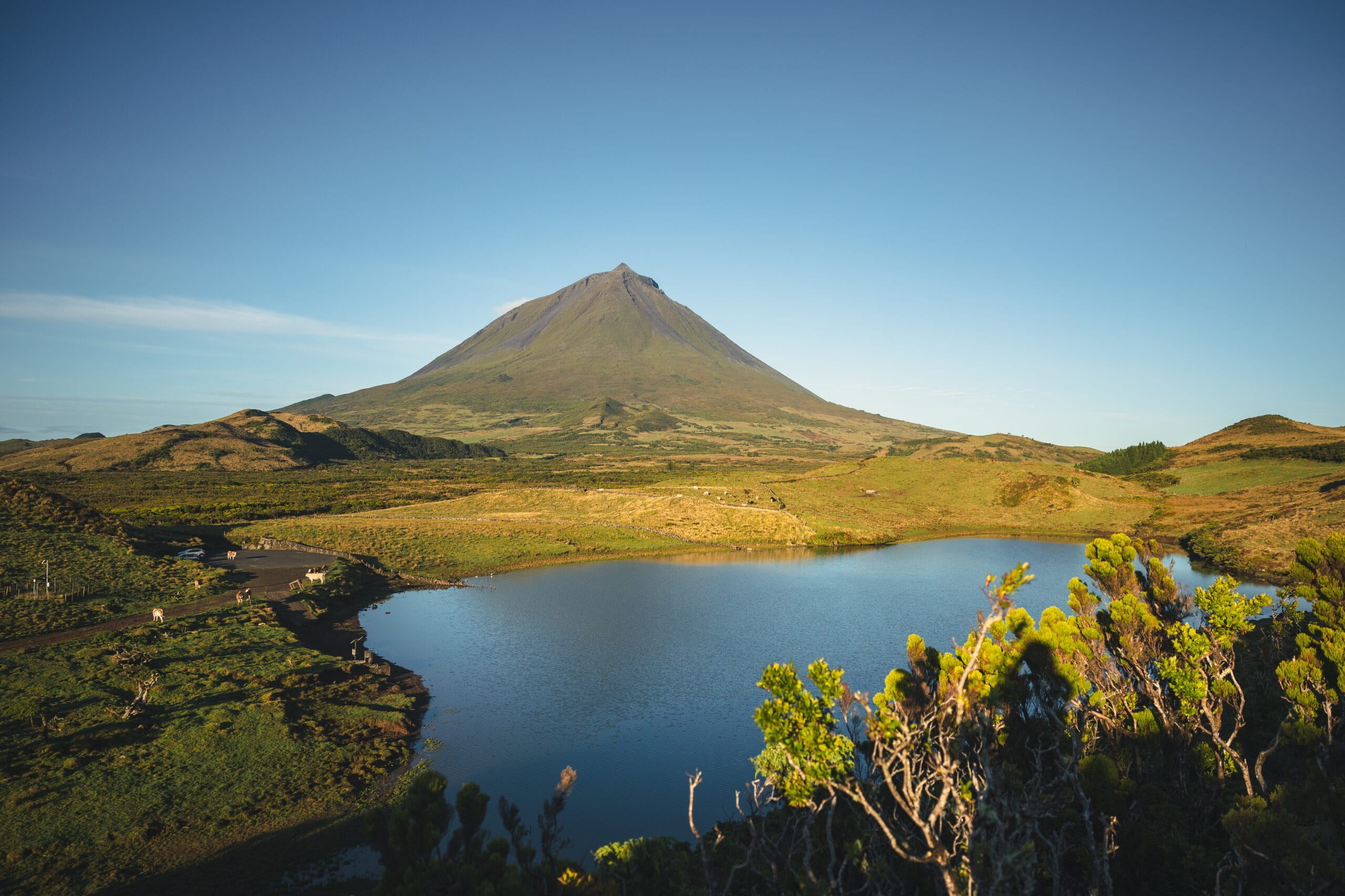
Pico
Dominated by Portugal’s highest mountain, Pico combines volcanic landscapes with UNESCO-listed vineyards, a rich whaling heritage, and some of the best whale watching in the Atlantic. It’s an island that celebrates both the sea and the mountain that gives it its identity.
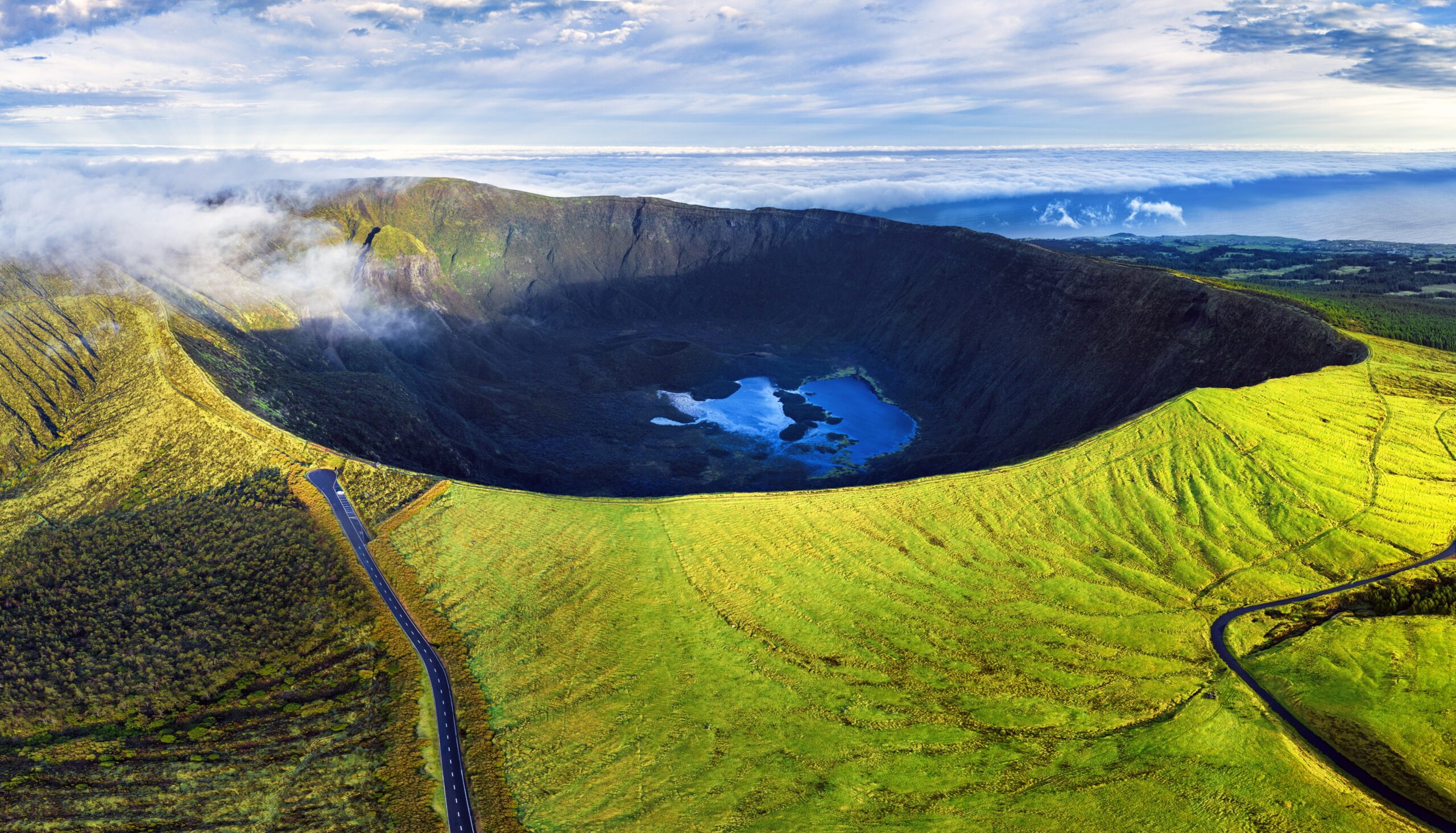
Faial
Known as the Blue Island, Faial welcomes sailors from around the world to the historic marina in Horta. Visitors also come to explore the dramatic Capelinhos Volcano, walk the rim of the Caldeira, and enjoy spectacular views of neighboring Pico.
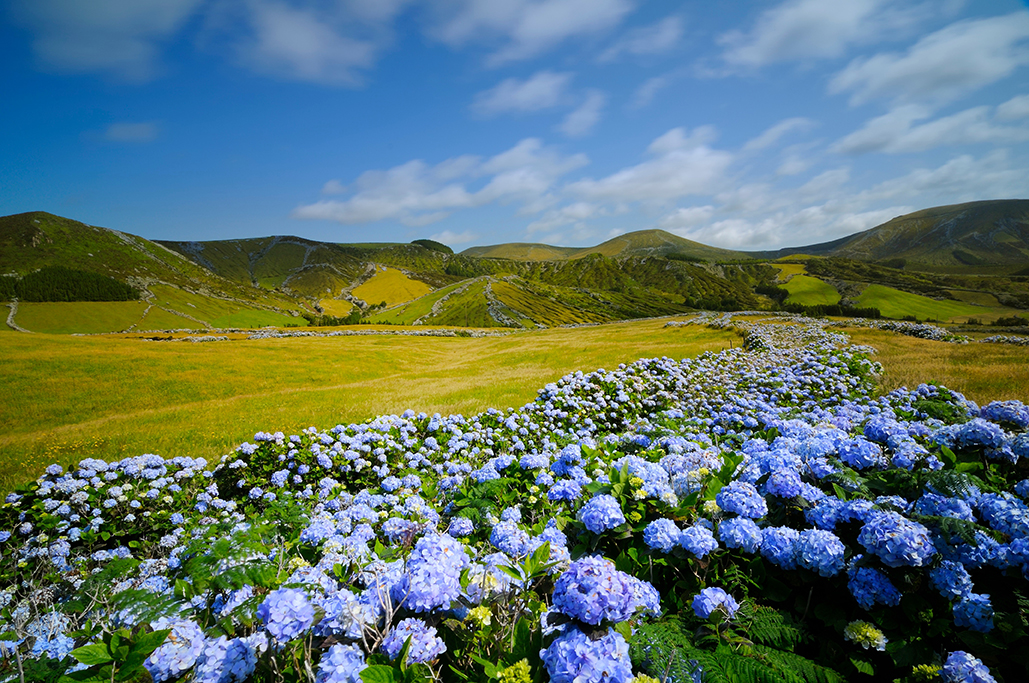
Flores
Often considered one of Europe’s most beautiful islands, Flores is a paradise of waterfalls, crater lakes, lush valleys, and dramatic cliffs. Nature is never far away, making every drive and every hike unforgettable.
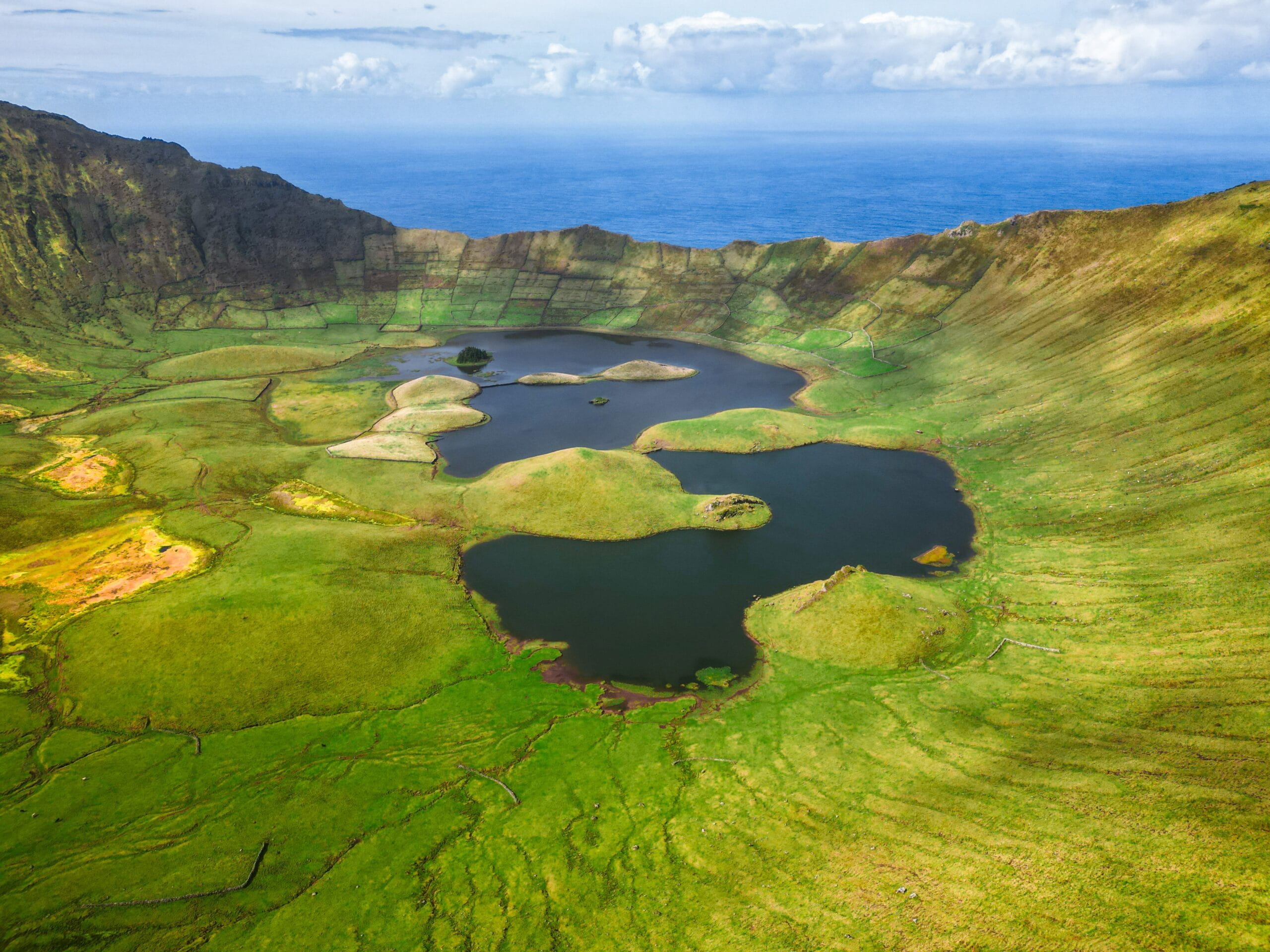
Corvo
The smallest island in the Azores offers one of its greatest rewards—peace. Home to a single village and the spectacular Caldeirão volcanic crater, Corvo invites visitors to slow down and experience island life at its simplest and most authentic.