Discover Graciosa, Azores
The Island of Quiet Beauty
Welcome to Graciosa
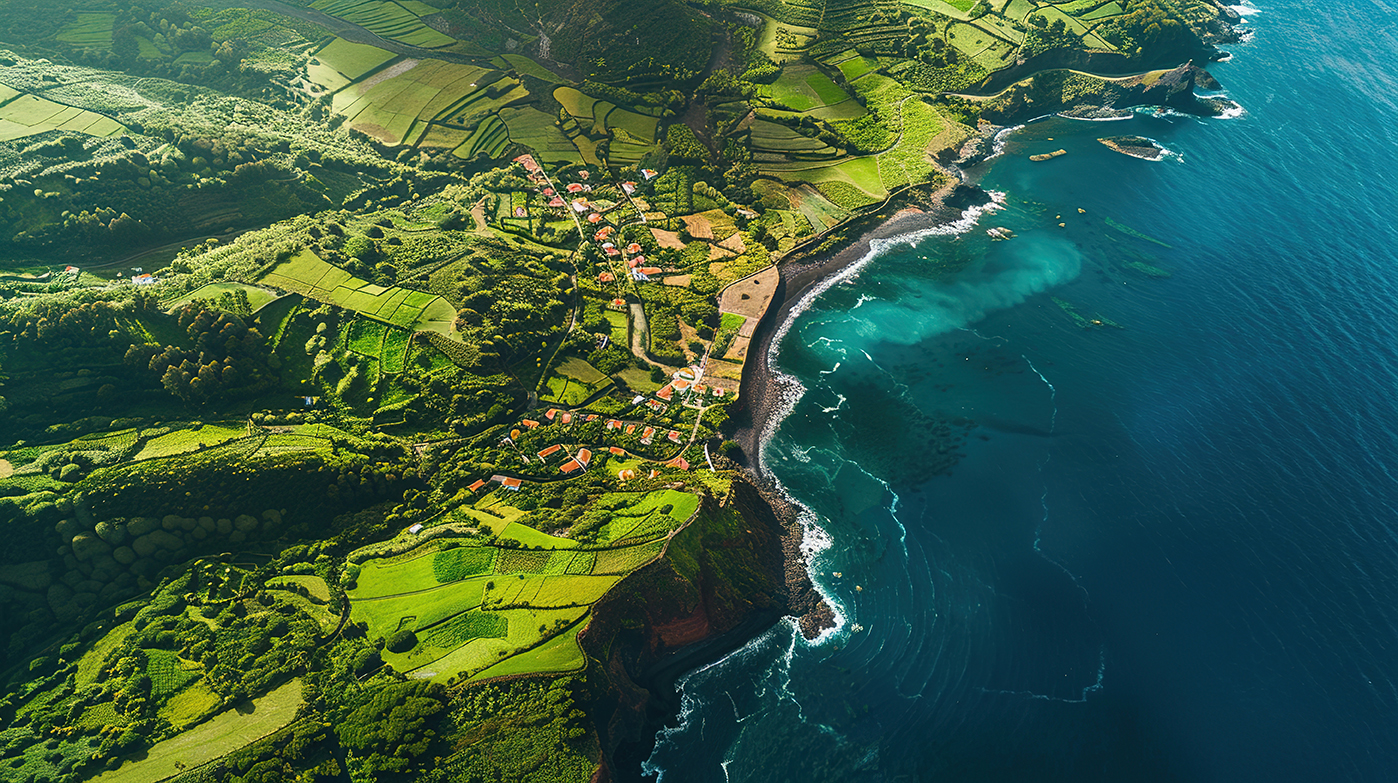
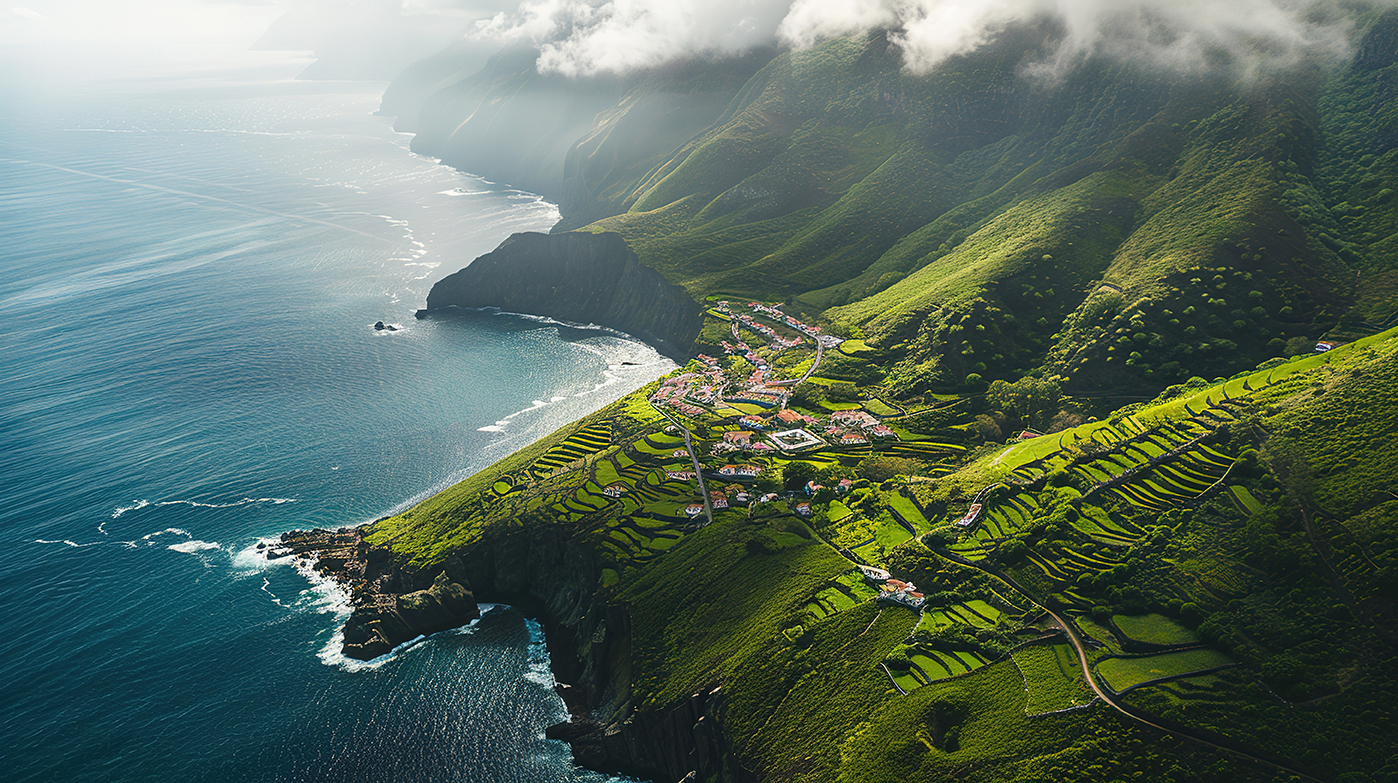
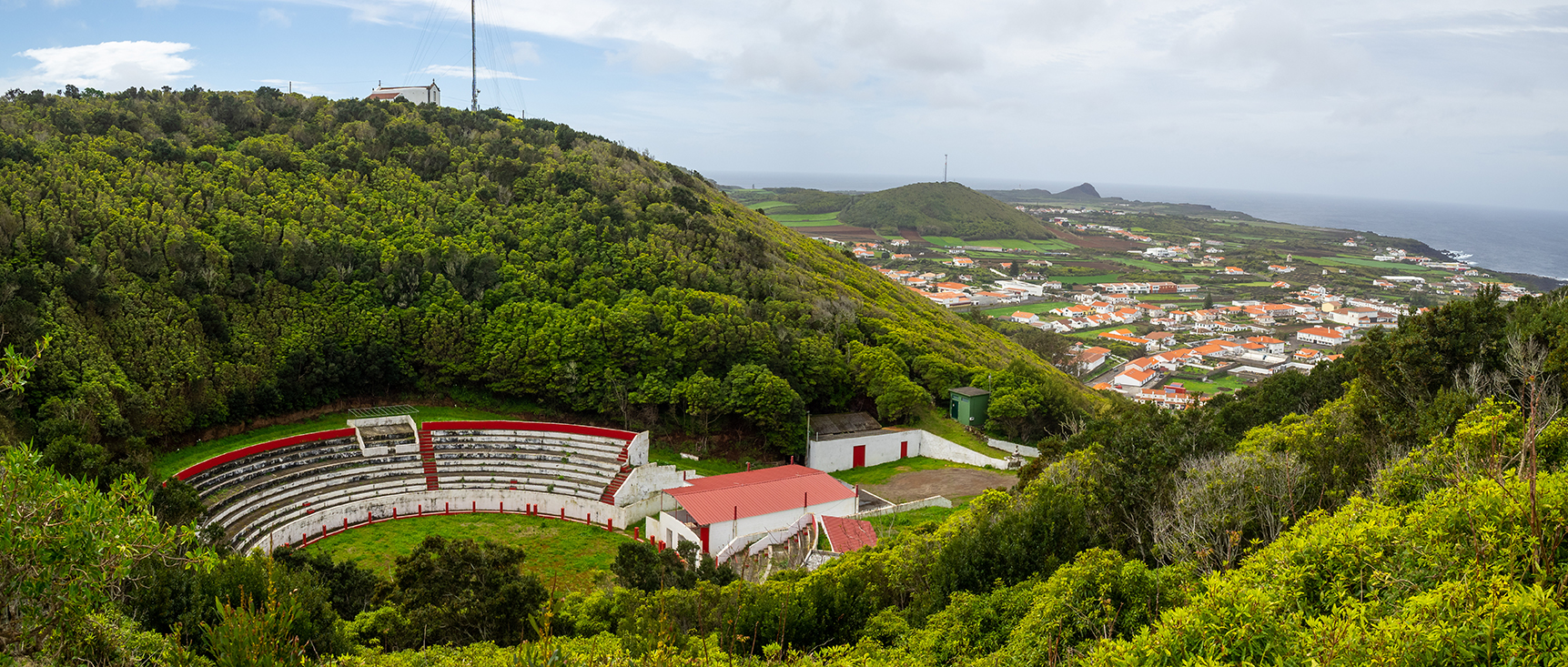
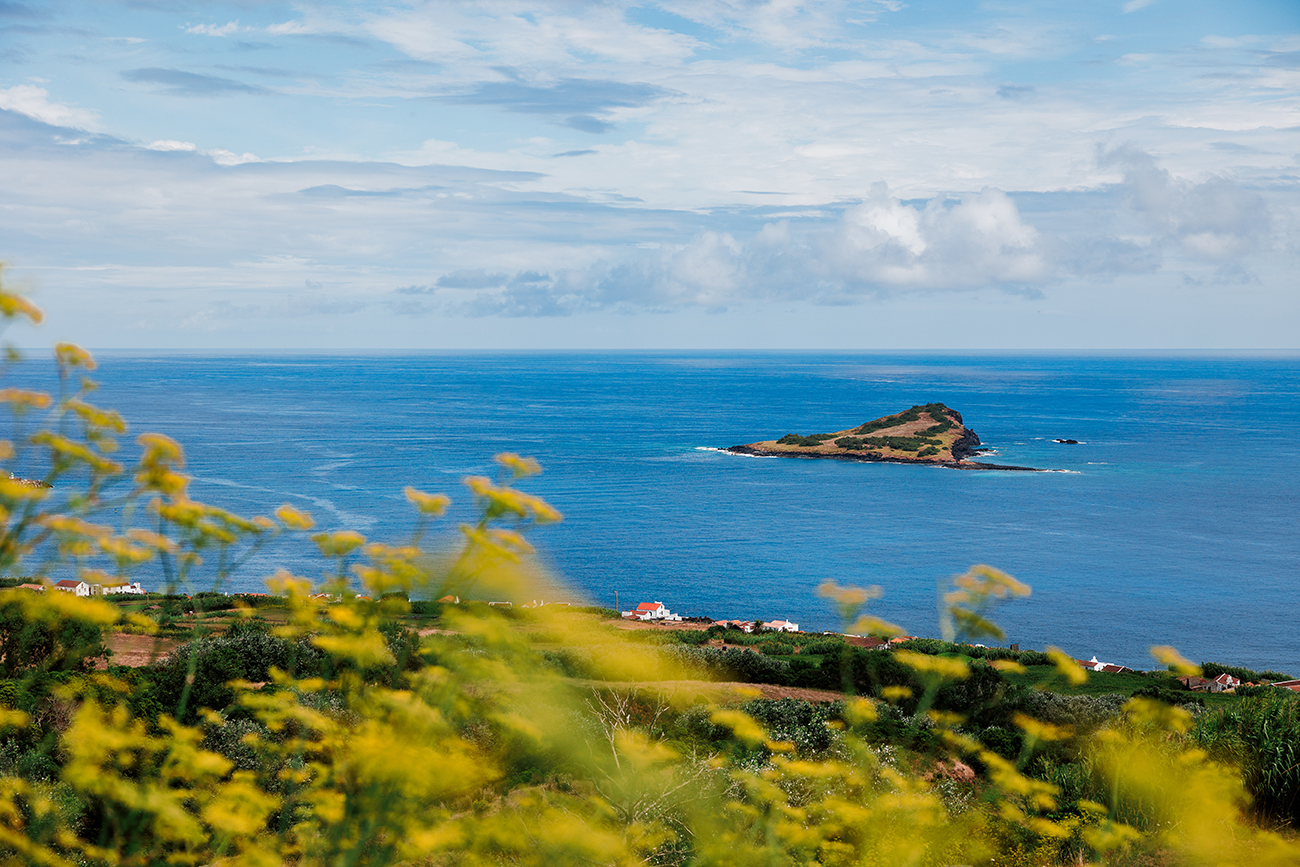
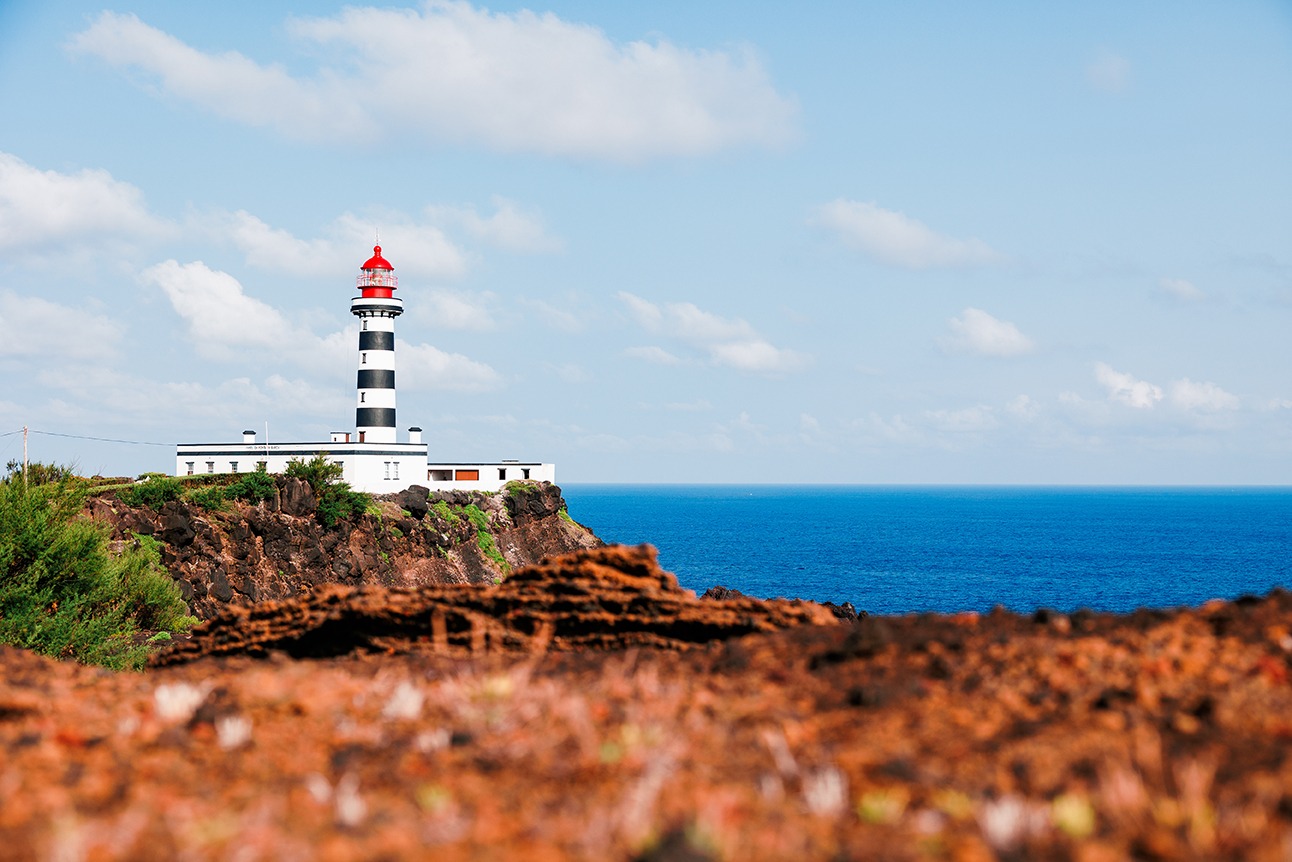
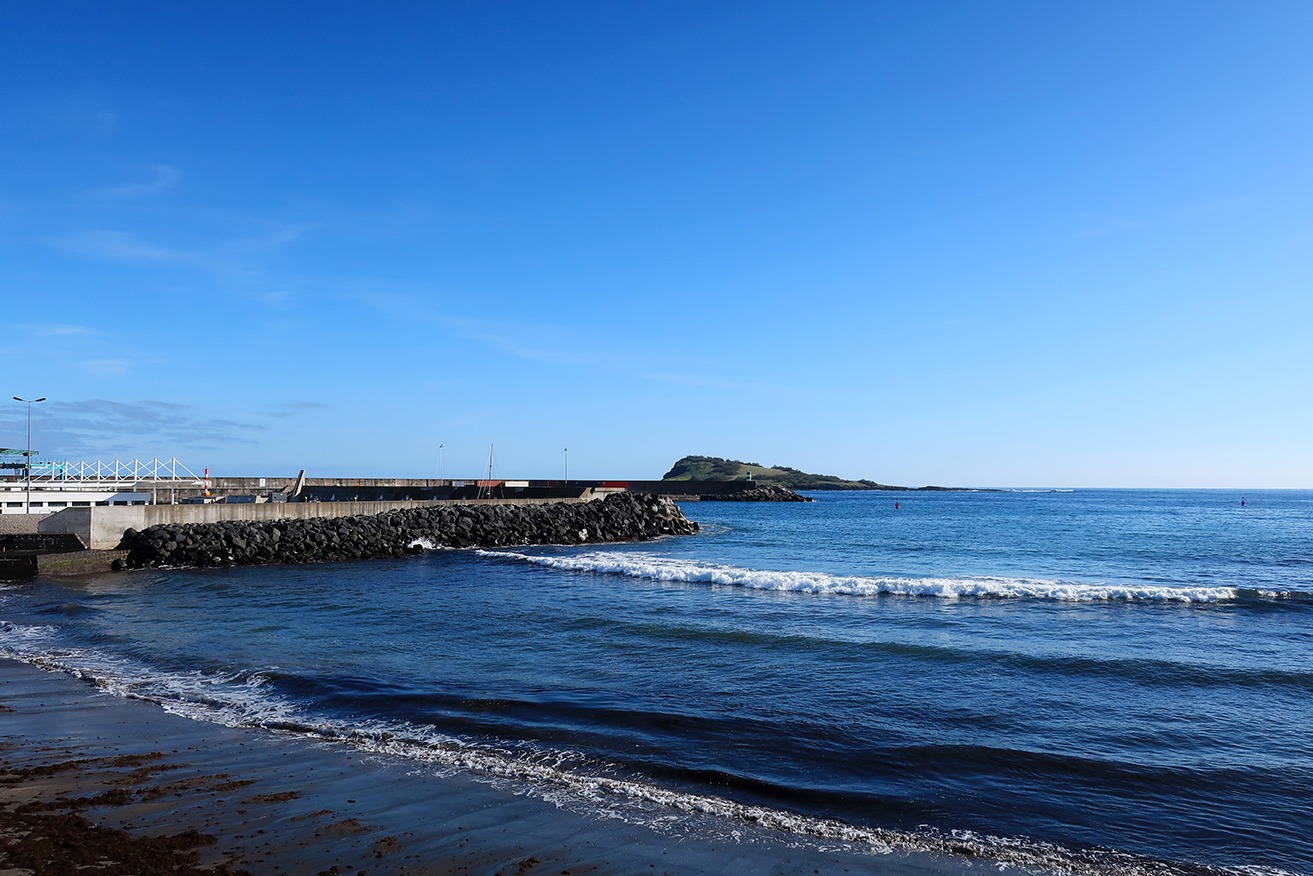
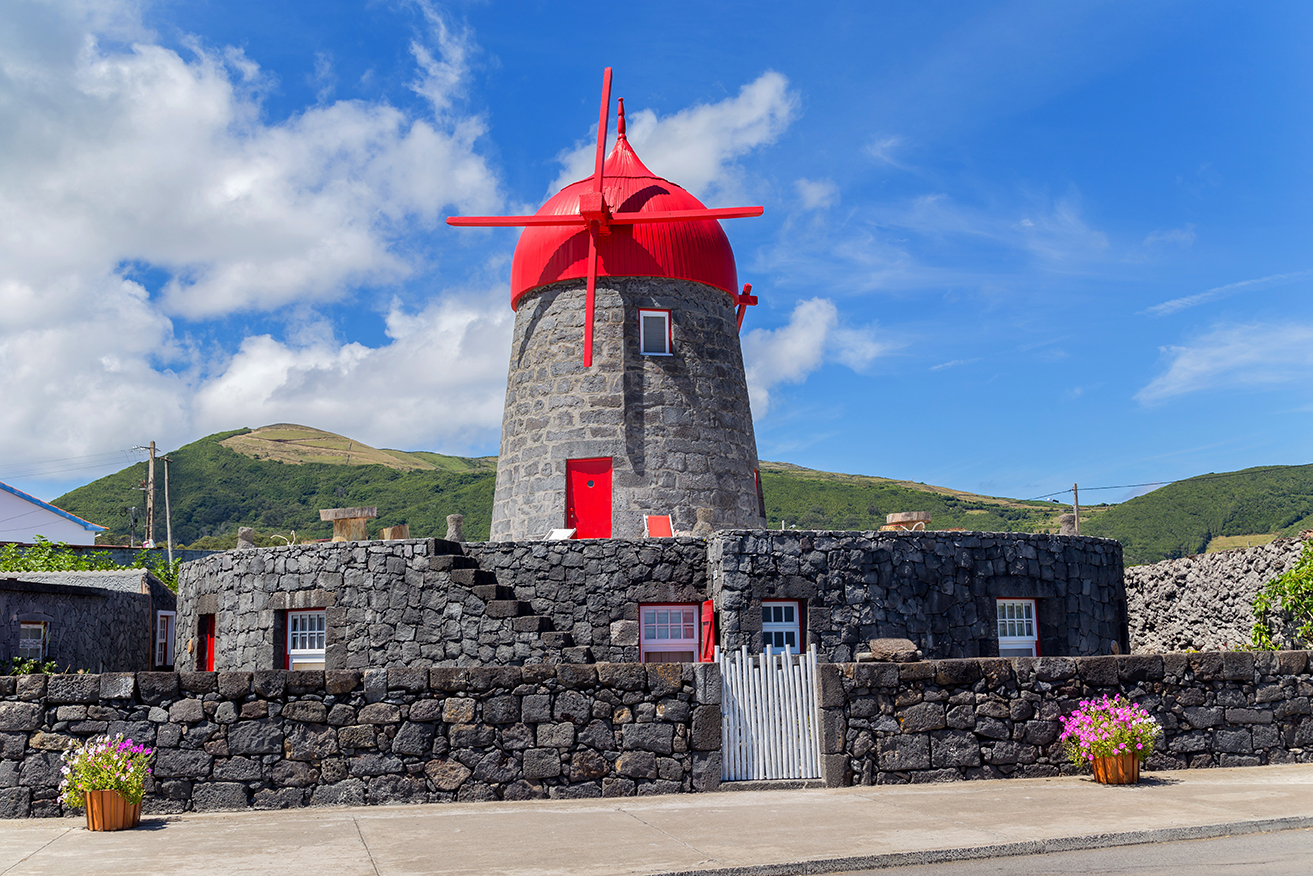
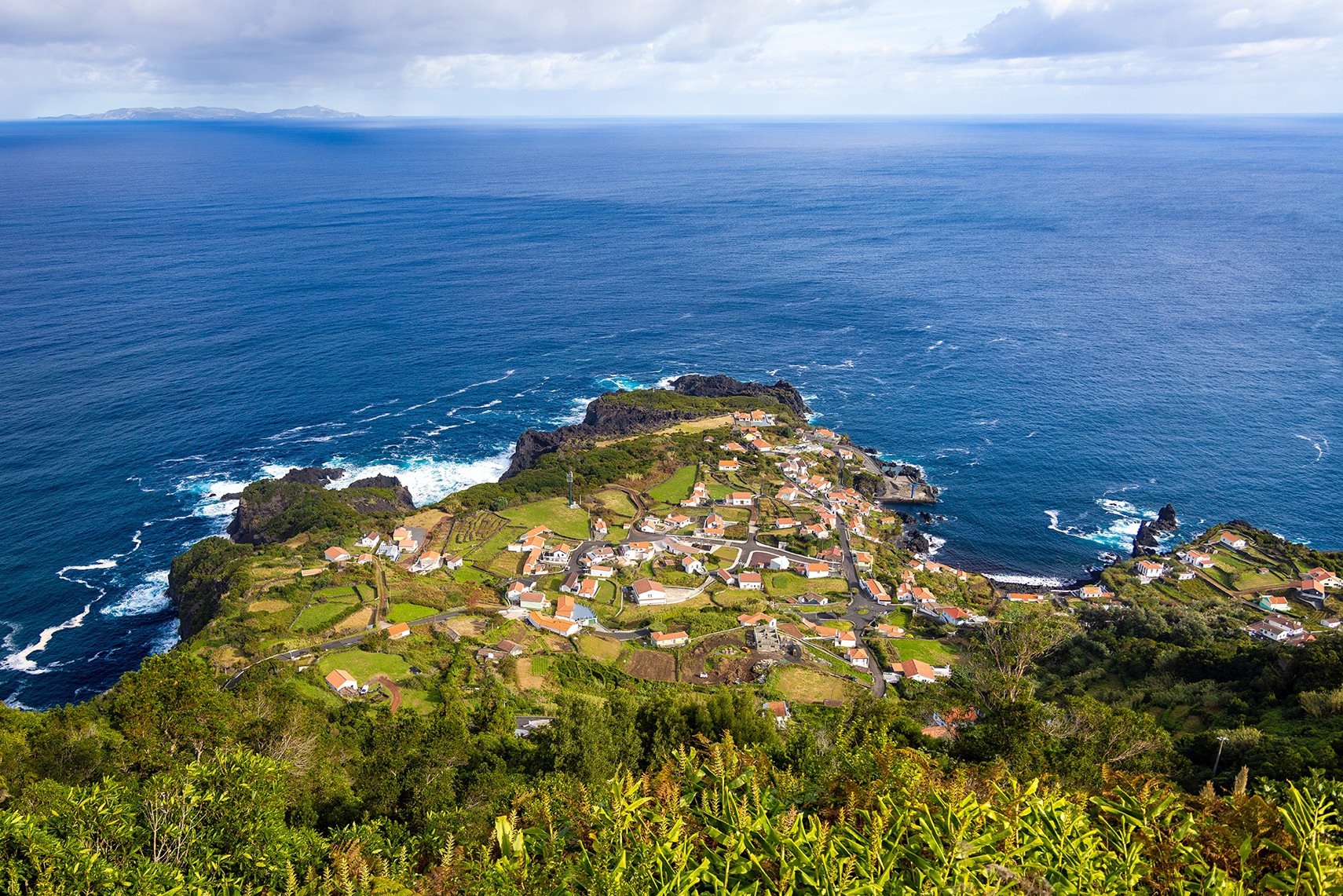
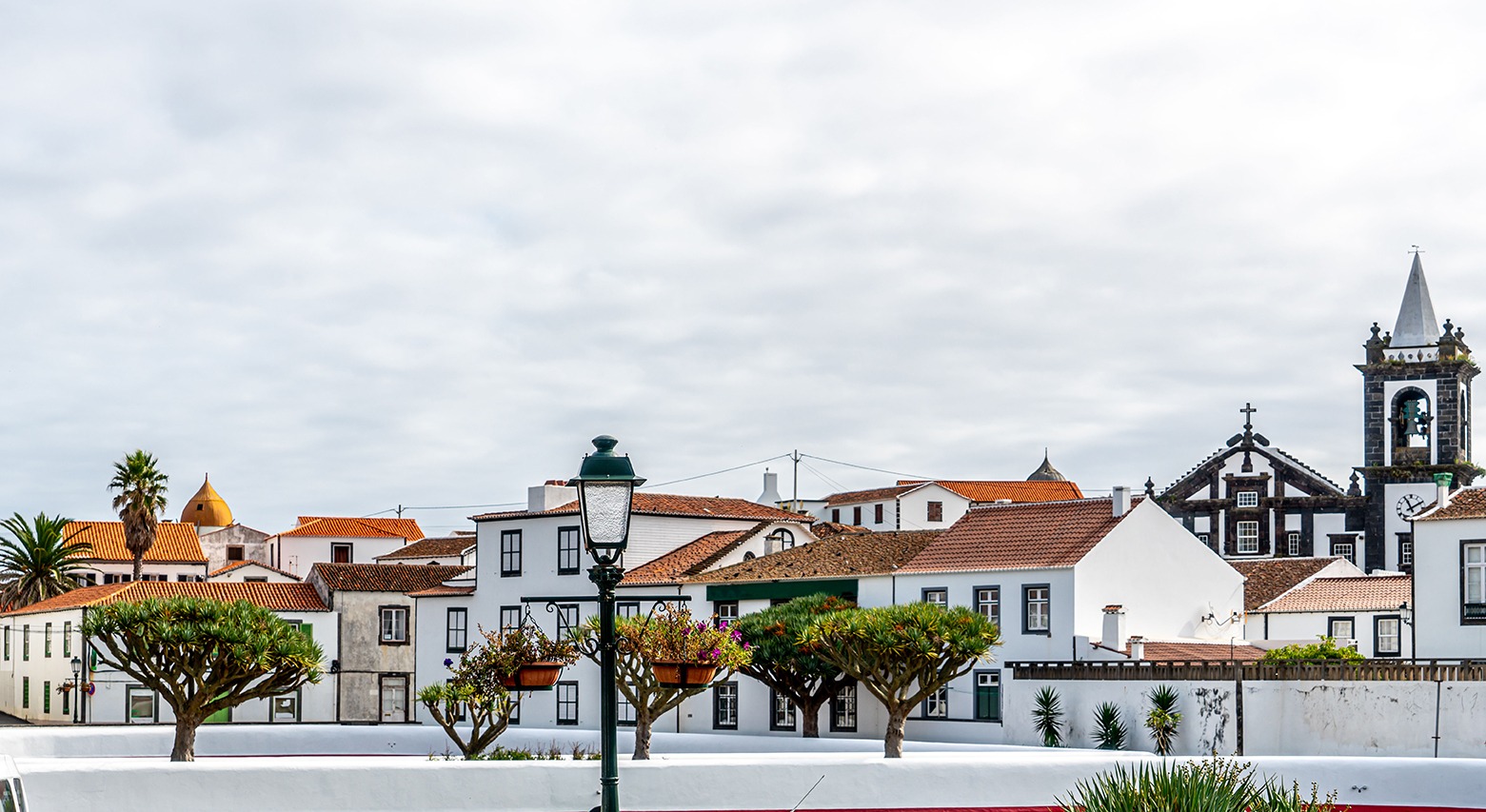
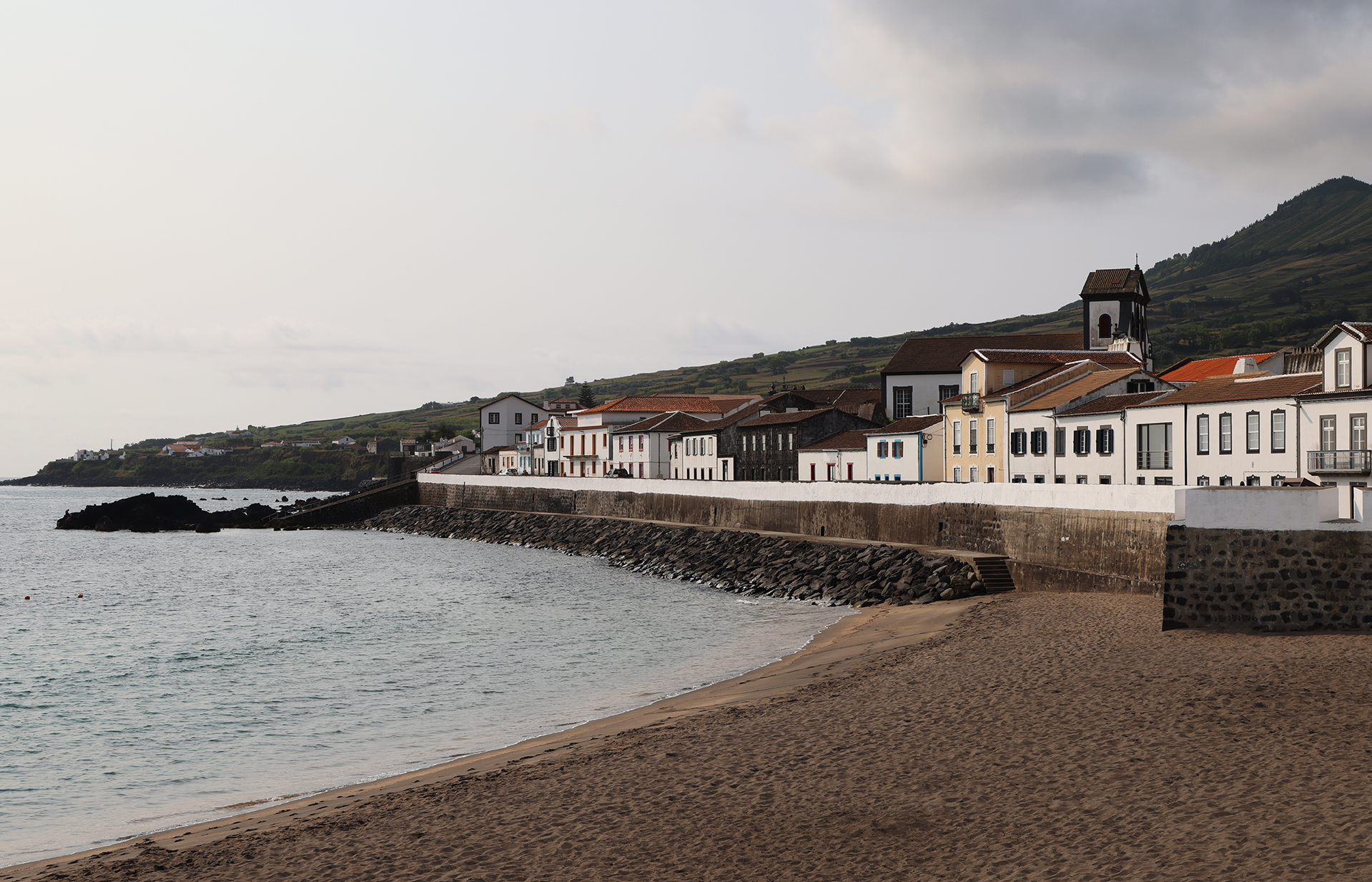
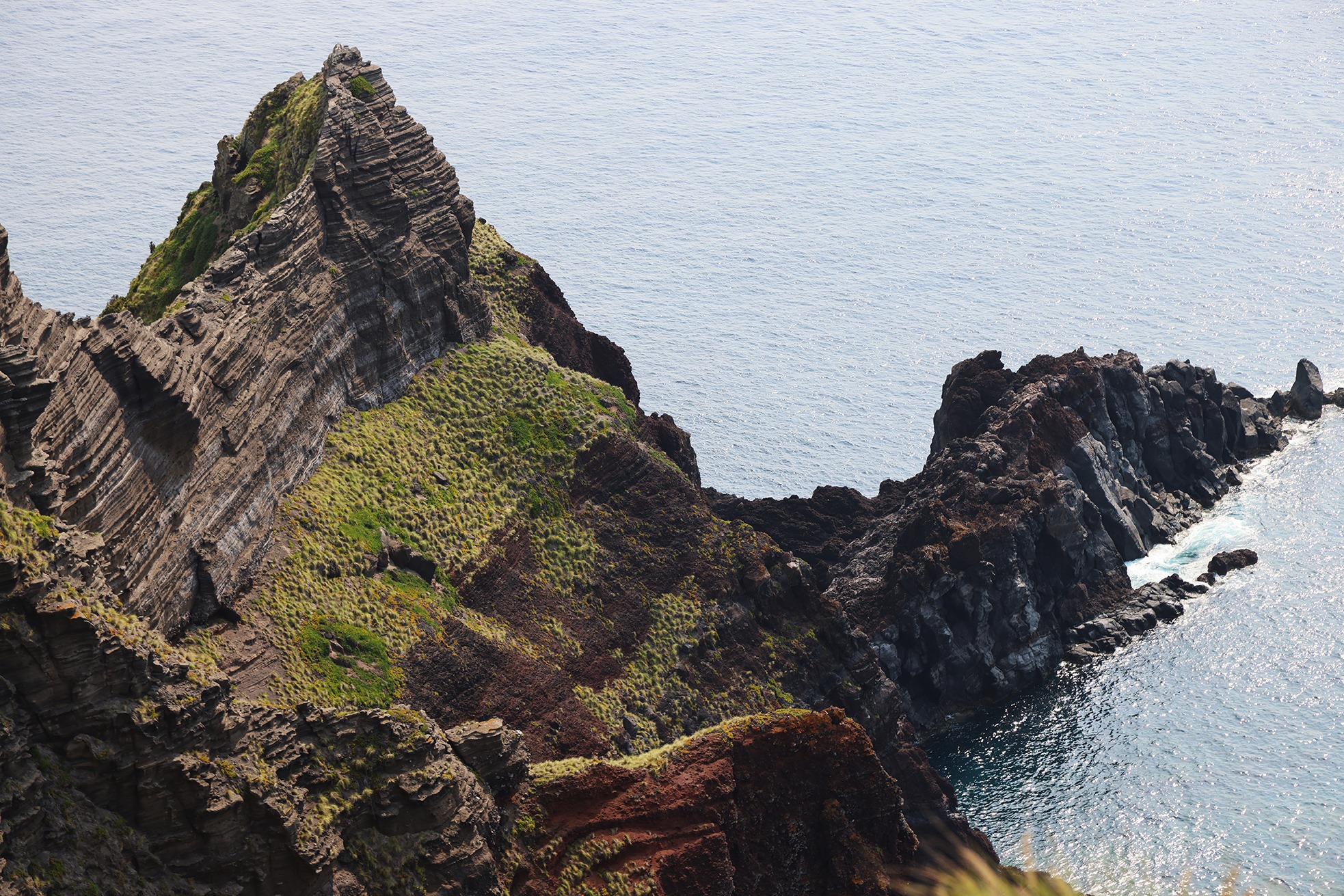
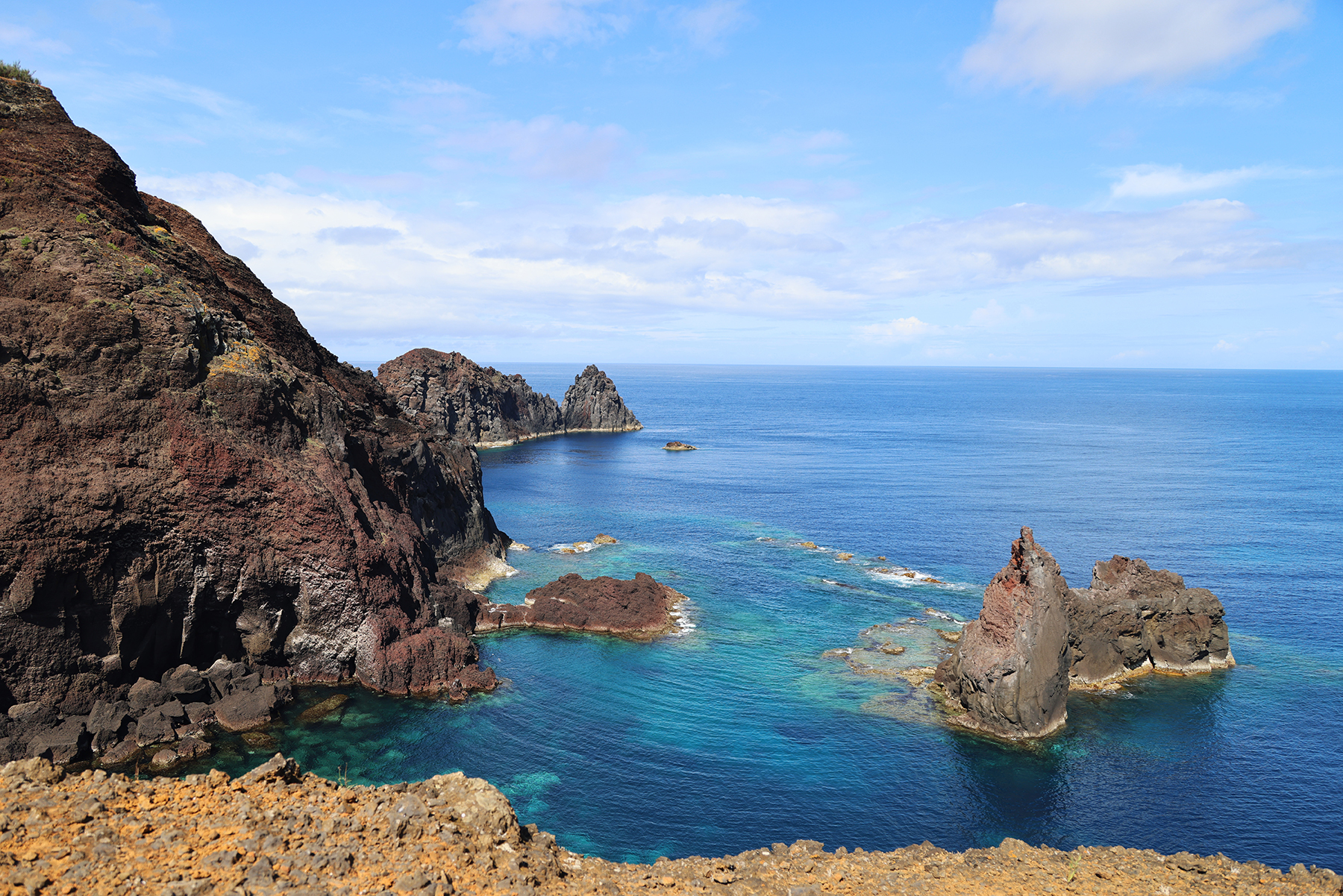
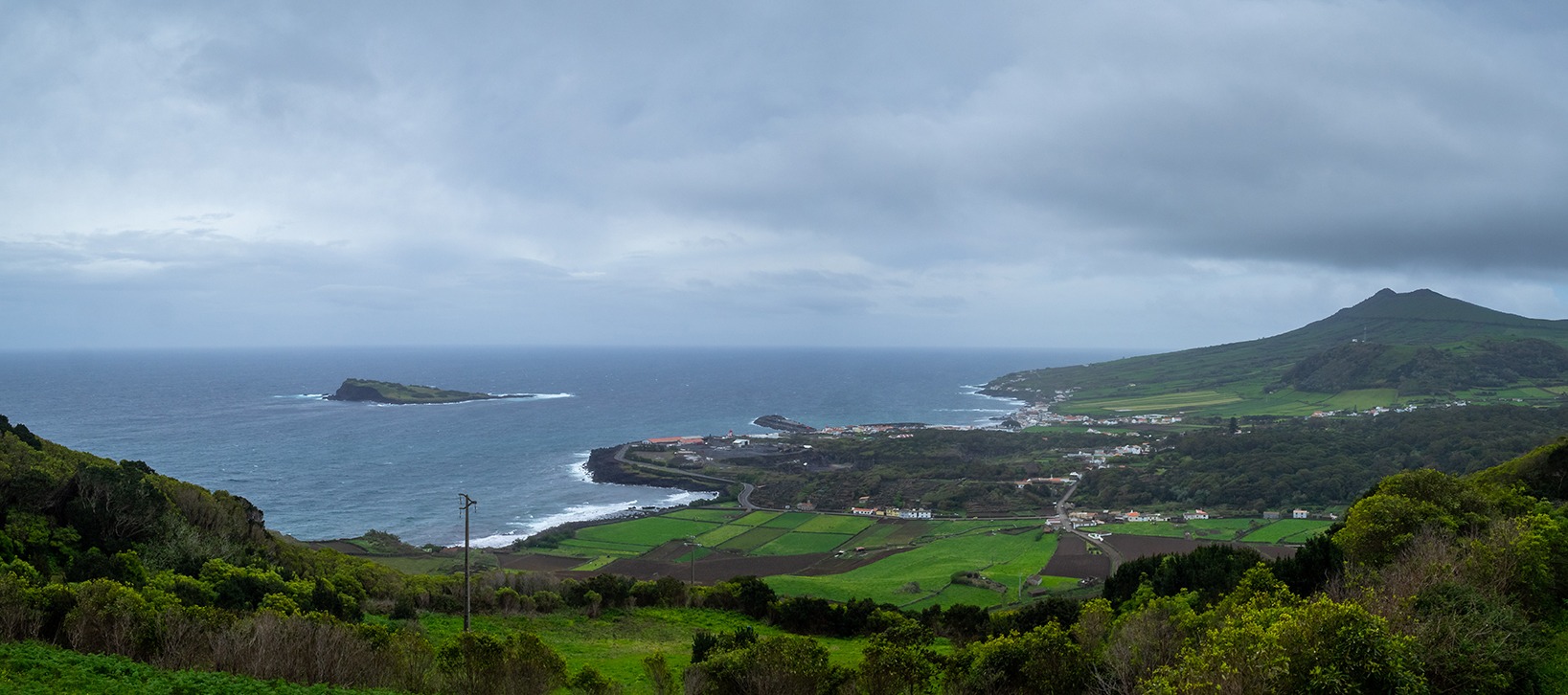
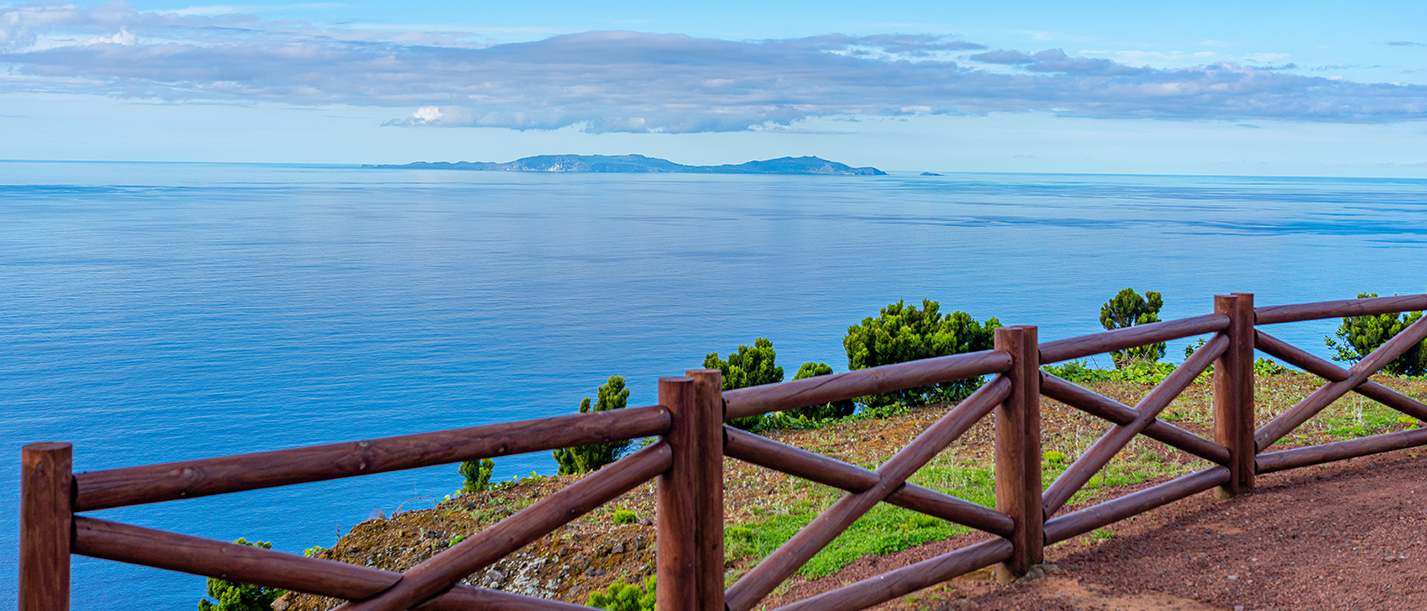
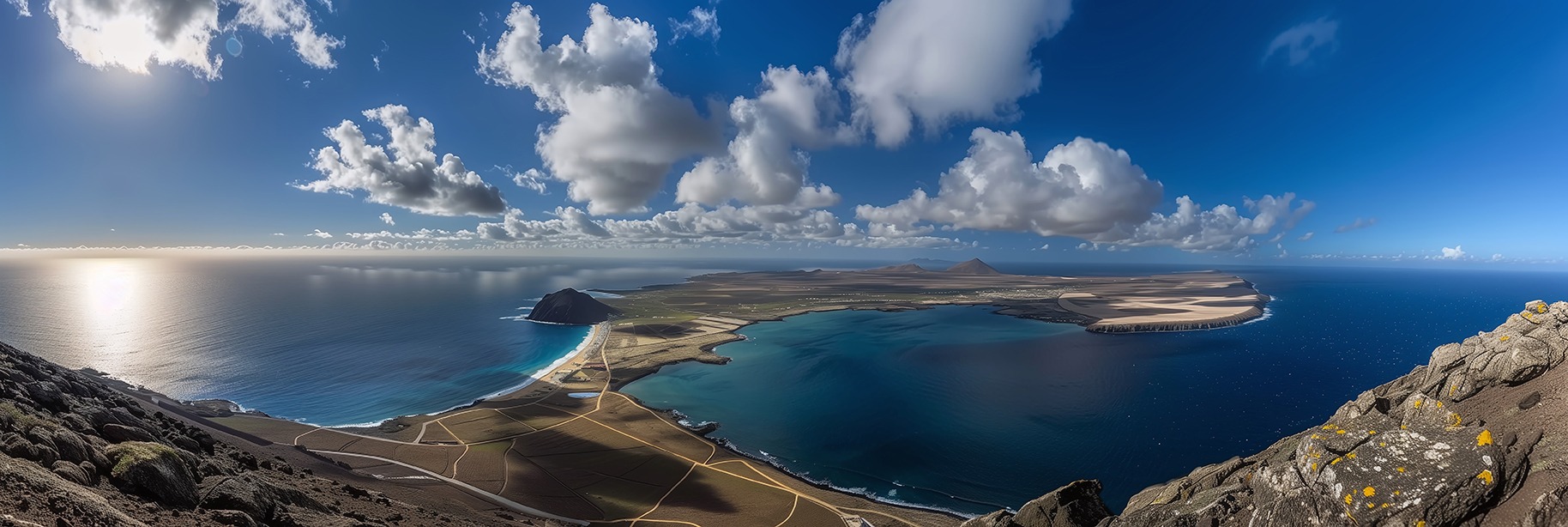
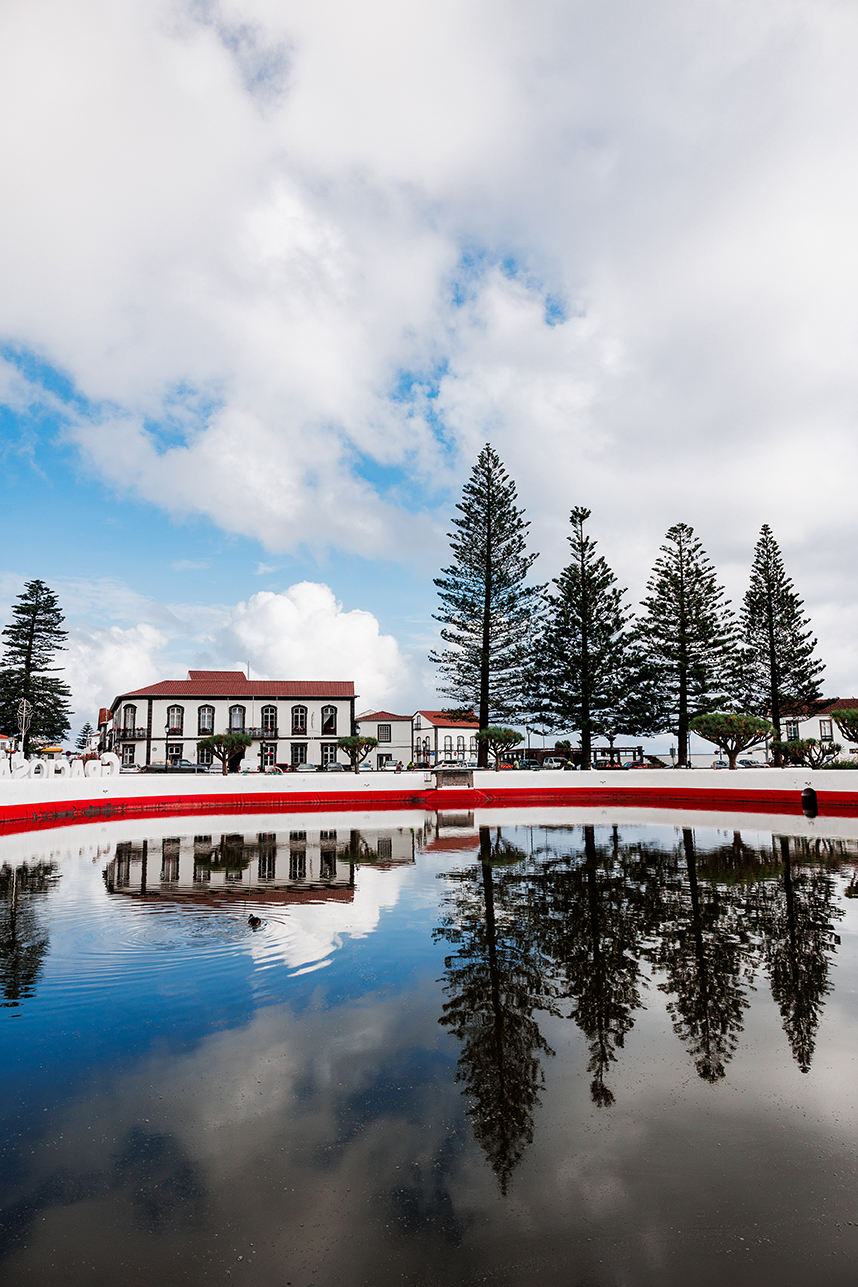
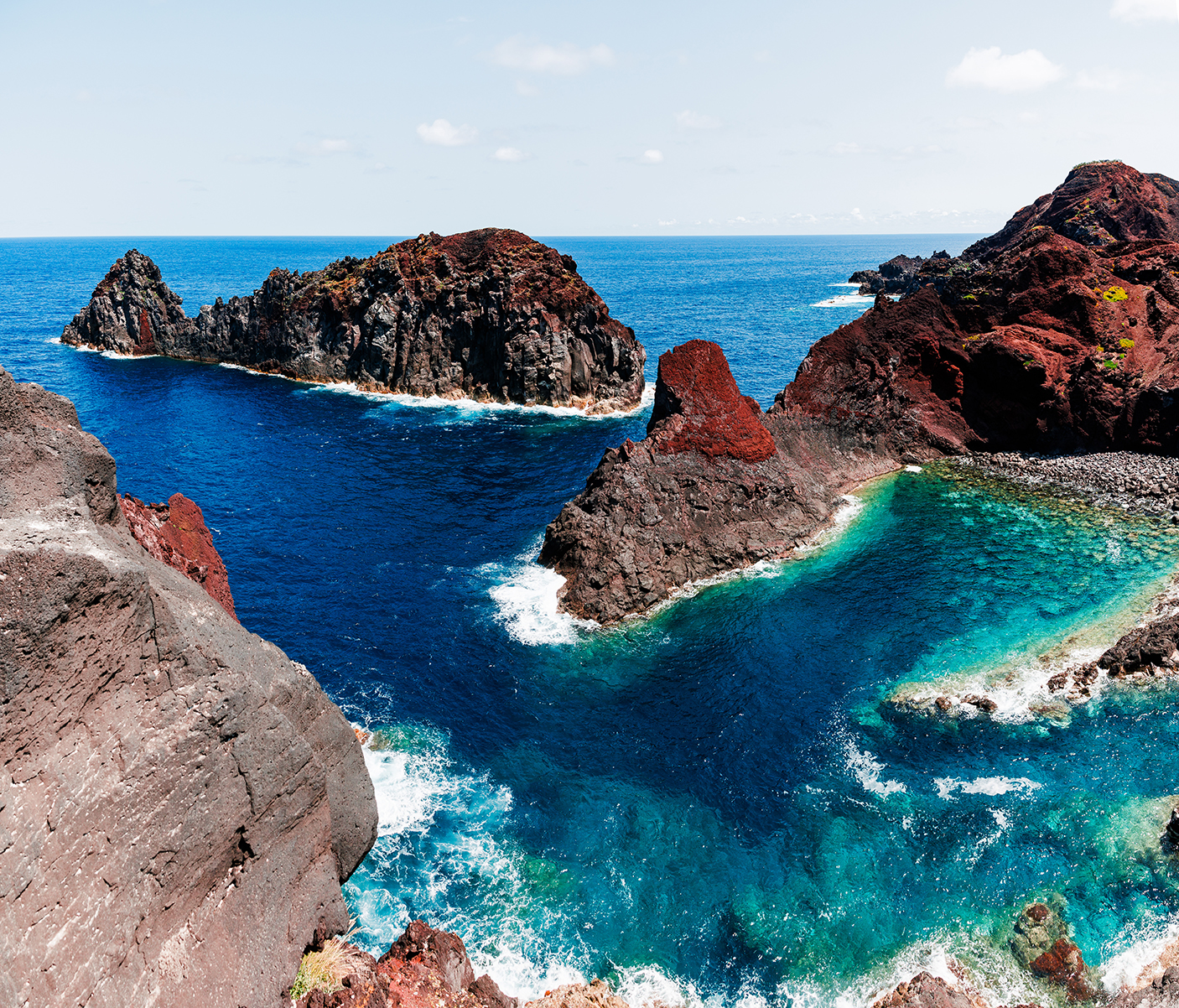
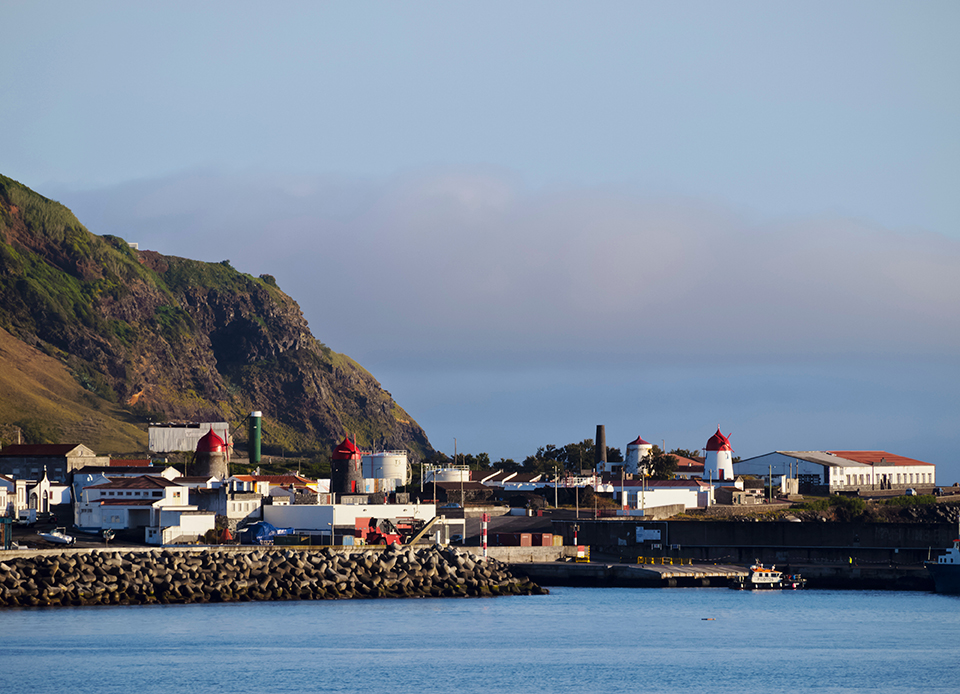
Sometimes the quietest places leave the deepest impression. Graciosa doesn’t compete for attention. There are no towering mountains dominating the horizon or dramatic volcanic peaks rising above the sea. Instead, the island welcomes visitors with rolling green fields, whitewashed villages, graceful windmills, volcanic landscapes, and a pace of life that feels wonderfully unhurried. Known as the White Island (Ilha Branca), Graciosa has earned its reputation through its light-colored volcanic stone, traditional architecture, and open landscapes that seem to glow beneath the Atlantic sun.
Life here unfolds gently. Farmers tend vineyards that have flourished for centuries. Fishermen return to quiet harbors with the day’s catch. Neighbors pause to talk in village squares, while visitors quickly discover that the island’s greatest luxury is its sense of calm.
One of Graciosa’s most extraordinary surprises lies beneath the surface. Deep inside the island, Furnado Enxofre reveals a vast volcanic chamber unlike any other in the Azores, complete with an underground lake and one of the world’s few accessible volcanic domes.
Some visitors arrive looking for nature. Others come to cycle peaceful roads, explore volcanic caves, or simply enjoy a slower rhythm of travel. Most leave wondering why they hadn’t discovered Graciosa sooner.
Welcome to Graciosa.
Why Visit Graciosa?
Graciosa offers something increasingly rare.
Space to slow down.
Its quiet roads, welcoming villages, scenic vineyards, volcanic landscapes, and relaxed atmosphere create an island that rewards curiosity rather than hurried itineraries.
Spend the morning exploring the remarkable Furna do Enxofre, wander through historic villages during the afternoon, swim in crystal-clear natural pools, and finish your day watching the sun set over peaceful vineyards and the Atlantic Ocean.
Graciosa may be one of the smallest islands in the Azores, but it offers an experience defined not by how much you see—but by how deeply you experience it.
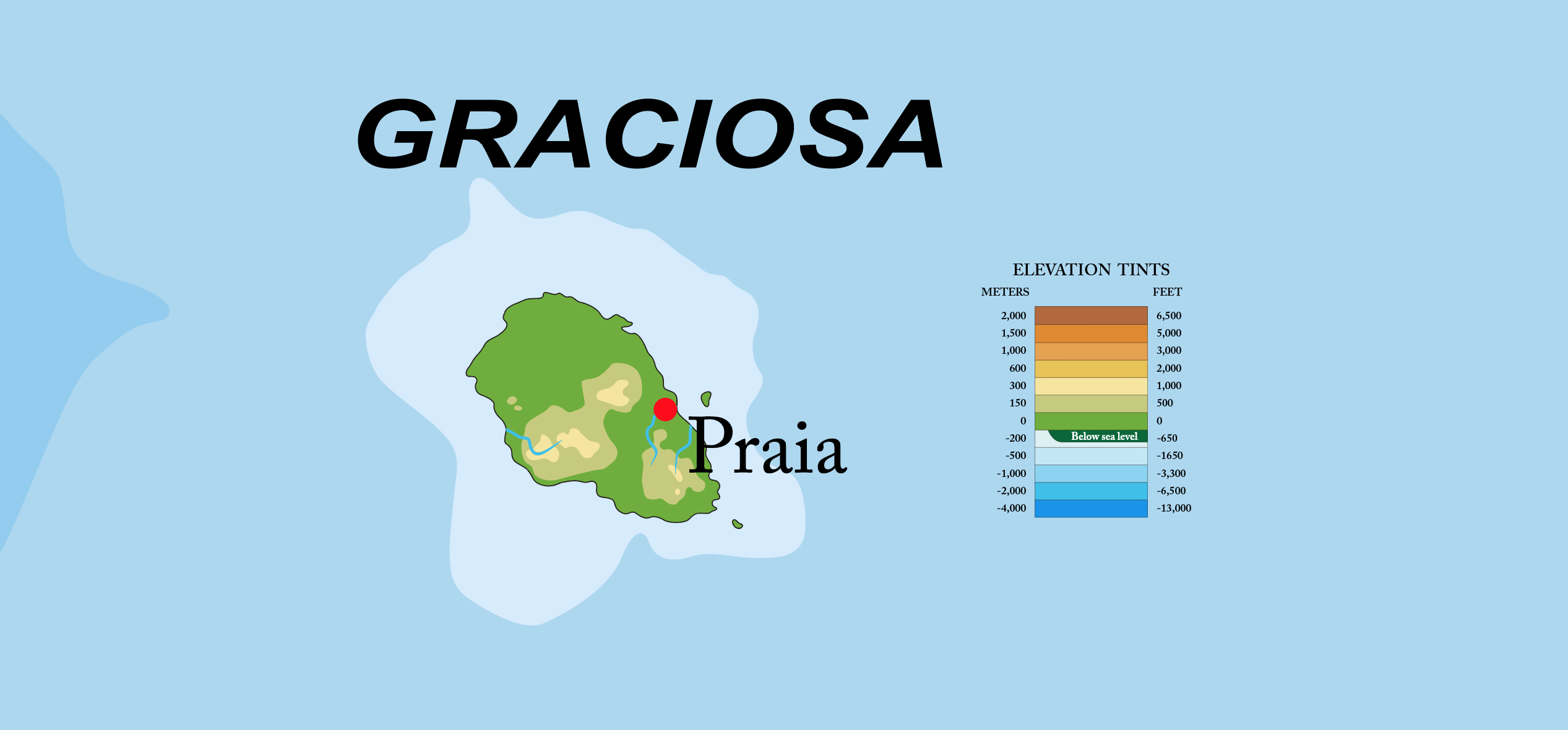
Island Snapshot
A Brief History
Graciosa was settled during the fifteenth century and quickly became known for its fertile farmland, vineyards, and strategic location within the central Azores.
Unlike several neighboring islands dominated by steep volcanic mountains, Graciosa’s gentler landscape made farming and village life easier to establish. Agriculture, fishing, and wine production became the foundation of the local economy, shaping traditions that continue today.
The island’s volcanic origins remain visible everywhere, from lava stone buildings to its remarkable underground cave system. The most famous of these, Furna do Enxofre, has fascinated scientists and travelers for generations. Its enormous volcanic chamber, underground lake, and natural sulfur vents offer a rare opportunity to explore the island’s geological history from the inside.
Today, Graciosa is recognized as a UNESCO Biosphere Reserve, reflecting its unique landscapes, biodiversity, and long tradition of living in harmony with the natural environment. While the island has embraced modern life, it has never lost the peaceful character that makes it one of the Azores’ most relaxing destinations.
Did You Know?
- Graciosa is recognized as a UNESCO Biosphere Reserve.
- Furna do Enxofre contains one of the world’s largest accessible volcanic domes.
- The island’s distinctive red windmills are among its most recognizable landmarks.
- Graciosa’s relatively flat terrain makes it one of the best islands in the Azores for cycling.
- Traditional vineyards protected by volcanic stone walls continue to produce local wines.
- Thermal waters at Carapacho have attracted visitors for centuries.
- Graciosa is one of the smallest inhabited islands in the Azores.
Getting Around
Graciosa is one of the easiest islands in the Azores to explore.
Its relatively level terrain, quiet roads, and short driving distances make it ideal for both driving and cycling. Renting a car provides the greatest flexibility, but many visitors enjoy discovering the island by bicycle, stopping frequently at scenic viewpoints, vineyards, villages, and coastal swimming areas.
No destination is far away.
That’s part of Graciosa’s charm.
Whether you’re exploring historic churches, relaxing beside the sea, or visiting Furna do Enxofre, you’ll spend less time traveling and more time enjoying the island itself.
If You Only Have One Day...
Begin your morning in Santa Cruz da Graciosa, wandering through its quiet streets before visiting the island’s traditional windmills overlooking the countryside.
Continue to Furna do Enxofre, where you’ll descend into one of the Azores’ most extraordinary volcanic caves before learning about the island’s geological history at the visitor center.
After lunch, drive to Carapacho, where natural swimming areas and thermal waters invite you to slow down and enjoy the Atlantic. End your day exploring the island’s vineyards and coastal viewpoints before watching the sun set over the ocean.
It’s a day that perfectly captures Graciosa’s gentle beauty and unhurried pace.
Natural Wonders
Graciosa’s beauty reveals itself gradually.
Unlike the dramatic peaks of Pico or the towering cliffs of São Jorge, Graciosa offers gently rolling landscapes, fertile farmland, volcanic caves, coastal lagoons, and quiet bays that invite visitors to slow down and appreciate the island’s quieter side.
The island’s most remarkable natural attraction is Furna do Enxofre, a vast volcanic chamber hidden deep beneath the earth. Descending the spiral staircase into the cave is an unforgettable experience.
Inside, visitors discover a magnificent underground cavern with a still lake, towering dome, and natural sulfur fumaroles—a fascinating reminder of the volcanic forces that created the Azores millions of years ago.
Above ground, Graciosa’s landscape is equally inviting. Vineyards protected by volcanic stone walls stretch across the countryside, while fertile pastures support dairy farms that have shaped island life for centuries.
Along the coast, natural swimming areas carved into volcanic rock provide refreshing places to enjoy the Atlantic during the warmer months. Around every corner, scenic miradouros offer sweeping views of the sea, neighboring islands, and Graciosa’s peaceful rural landscape.
Nature here doesn’t overwhelm.
It encourages you to slow down and notice the details.
Outdoor Adventures
Graciosa is the perfect island for travelers who enjoy gentle exploration.
Its relatively flat terrain makes it one of the best islands in the Azores for cycling. Quiet country roads pass vineyards, whitewashed villages, traditional windmills, and scenic coastal viewpoints, creating relaxed rides suitable for visitors of many ages and abilities.
Walking trails explore volcanic landscapes, coastal cliffs, farmland, and traditional communities. While the island doesn’t offer the demanding mountain hikes found elsewhere in the Azores, its easier trails reward visitors with beautiful scenery and a deeper appreciation for Graciosa’s peaceful countryside.
The coastline also offers excellent opportunities for swimming, snorkeling, kayaking, and scuba diving. Clear Atlantic waters surround the island, while natural lava pools provide safe and scenic places to enjoy the sea.
A visit to the Carapacho Thermal Spa adds another dimension to the island’s outdoor experiences. For generations, visitors have come here to enjoy the naturally heated mineral waters while overlooking the Atlantic Ocean.
Graciosa reminds us that adventure doesn’t always require great heights.
Sometimes it simply means exploring without hurry.
Towns & Villages
Graciosa’s communities reflect the island’s welcoming spirit and slower pace of life.
The capital, Santa Cruz da Graciosa, is one of the most charming towns in the Azores. Whitewashed homes, colorful gardens, traditional churches, and quiet streets create an atmosphere that feels both elegant and relaxed. Small cafés, family-owned shops, and welcoming restaurants encourage visitors to linger rather than simply pass through.
Throughout the countryside, smaller villages preserve traditions that have changed little over the generations. Windmills, vineyards, grazing cattle, and carefully maintained gardens reflect an agricultural heritage that continues to shape everyday life.
One of the island’s most recognizable landmarks is its distinctive red-domed windmills. Originally built to grind grain, they have become enduring symbols of Graciosa and offer wonderful opportunities for photography while reminding visitors of the island’s rural past.
Driving from village to village is part of the experience.
There is no rush.
Only another quiet road leading to another beautiful view.
Along the Coast
Although Graciosa is known for its peaceful countryside, its coastline offers its own quiet rewards. Volcanic rock formations, small fishing harbors, natural swimming pools, and protected bays invite visitors to experience the Atlantic at a gentler pace than on many of the other islands.
The coastal village of Carapacho is especially popular for its natural swimming areas and historic thermal baths. Here, visitors can alternate between relaxing in mineral-rich waters and swimming in the clear Atlantic just a few steps away.
Fishing remains an important part of island life, and small harbors continue to welcome local boats returning with the day’s catch. Waterfront cafés provide perfect places to enjoy fresh seafood while watching the ocean beyond.
Scenic drives along the coast reveal dramatic viewpoints where volcanic cliffs meet the Atlantic, creating beautiful places to pause and simply enjoy the view.
On Graciosa, even the coastline feels peaceful.
Family Experiences
Graciosa is an ideal destination for families seeking a relaxed and uncomplicated vacation.
Children enjoy exploring the fascinating underground world of Furna do Enxofre, swimming in natural ocean pools, and spotting the island’s distinctive windmills scattered across the countryside. The island’s compact size makes it easy to experience several attractions without long drives, helping keep younger travelers engaged throughout the day.
Cycling together is another favorite family activity. Quiet roads and relatively gentle terrain allow families to explore at their own pace while stopping frequently for picnics, viewpoints, and village cafés.
The beaches and swimming areas around Carapacho provide safe places to cool off during warmer months, while the island’s slower pace allows everyone to spend more time together and less time following a schedule.
Graciosa reminds families that some of the best vacations aren’t filled with endless activities.
They’re filled with unhurried moments shared together.
Savor Graciosa
Graciosa’s cuisine reflects the island’s rich farmland, surrounding Atlantic waters, and long tradition of gathering family and friends around the table.
Fresh seafood remains a local favorite. Grouper, tuna, octopus, limpets (lapas), and other seasonal catches are prepared simply with olive oil, garlic, and fresh herbs, allowing the quality of the ingredients to take center stage. Many family-owned restaurants proudly serve the day’s catch alongside locally grown vegetables and homemade bread.
The island’s fertile pastures produce excellent dairy products, including cheeses, butter, and milk that have long been an important part of Graciosa’s agricultural heritage. Locally raised beef, traditional soups, sweet potatoes, and seasonal produce also feature prominently in island cooking.
Wine has deep roots on Graciosa as well. Vineyards protected by volcanic stone walls have flourished here for centuries, and local producers continue to craft wines that reflect the island’s unique climate and volcanic soil.
Save room for dessert. Homemade pastries, island honey, fruit preserves, and local liqueurs provide a delicious ending to any meal.
Dining on Graciosa isn’t about elaborate presentation.
It’s about fresh ingredients, family recipes, and taking the time to enjoy good company.
Local Favorite
Ask someone on Graciosa where they go to relax, and many will simply say, “Take the long way.”
It’s easy advice to follow.
Rather than driving directly from one attraction to the next, choose the smaller roads through vineyards, farmland, and quiet villages. Stop at a scenic overlook, watch farmers working in the fields, or enjoy a coffee in the town square without worrying about the time.
Graciosa doesn’t reward busy itineraries.
It rewards curiosity.
And often, the moments you never planned become the ones you’ll remember most.
Picture Perfect
Graciosa offers photographers peaceful landscapes, traditional architecture, and beautiful coastal scenery.
Best Sunrise
Santa Cruz da Graciosa
The first light of day gently illuminates the town’s whitewashed buildings and surrounding countryside.
Best Sunset
Carapacho
Watch the sun slowly disappear into the Atlantic while waves break gently against the volcanic shoreline.
The Classic View
Traditional Red Windmills
These distinctive windmills have become one of Graciosa’s most recognizable symbols and beautifully capture the island’s rural character.
Worth the Short Walk
Furna do Enxofre
Descending into the enormous volcanic chamber reveals one of the most extraordinary geological wonders in the Azores.
Most Peaceful Spot
Caldeira da Graciosa
The volcanic crater surrounding Furna do Enxofre offers peaceful walking trails and beautiful views across the island.
Best Coastal View
Baía da Folga
A quiet stretch of coastline where volcanic cliffs meet crystal-clear Atlantic waters.
Returning Home:
Reconnecting with Your Azorean Heritage
Graciosa may be one of the Azores’ smaller islands, but its influence reaches far beyond its shores. Over the centuries, many Graciosenses emigrated to North America, carrying with them traditions rooted in farming, faith, and family. Their descendants continue to return, seeking the villages, churches, and landscapes that shaped earlier generations.
Walking through Santa Cruz da Graciosa, visiting your family’s freguesia (parish), or exploring the quiet countryside often creates a deeper understanding of the sacrifices and resilience that shaped so many Azorean families.
Church records, municipal archives, and local cemeteries preserve valuable pieces of family history, while conversations with longtime residents often provide stories that official records cannot.
Even visitors with no ancestral connection quickly discover why Graciosa is so beloved.
Its greatest treasures aren’t measured by size.
They’re found in its kindness, simplicity, and enduring sense of community.
Festivals & Traditions
Graciosa celebrates the traditions that have sustained island life for generations. Throughout the year, villages come together to honor patron saints, celebrate the Holy Spirit, enjoy music and folklore, and welcome families returning from abroad. These festivals may be modest in size, but they reflect the strong community spirit that defines the island.
Visitors quickly discover that on Graciosa, everyone is made to feel welcome.
I’d verify:
“Graciosa Summer Festival”
“Nossa Senhora da Ajuda”
There are several parish festivals on Graciosa, and I’d want the principal island-wide events to match the official municipal calendar.
Graciosa Summer Festival
Season: August
Each summer, Santa Cruz da Graciosa hosts the island’s principal civic celebration with concerts, cultural performances, artisan markets, sporting events, traditional food, and family activities.
Residents from across the island gather in the town center while returning emigrants use the festival as an opportunity to reconnect with family and friends.
What You'll Experience
Travel Tip: Summer is one of the busiest times on Graciosa, so reserve accommodations early.
Festas do Espírito Santo (Holy Spirit Festivals)
Season: Spring through Early Summer
The Holy Spirit Festivals remain among Graciosa’s most meaningful traditions.
Each parish celebrates with beautifully decorated Impérios, religious ceremonies, brass bands, community meals, and processions centered on generosity, gratitude, and hospitality.
For many Graciosense families living abroad, these celebrations provide an important reason to return home each year.
What You'll Experience
Travel Tip: Visitors are warmly welcomed and encouraged to observe the celebrations respectfully.
Festival of Our Lady of Help (Nossa Senhora da Ajuda)
Season: September
One of Graciosa’s best-known religious celebrations honors Nossa Senhora da Ajuda, bringing together worshippers from across the island for special Masses, processions, music, and community festivities.
The celebration beautifully combines faith with the island’s welcoming community spirit.
What You'll Experience
Travel Tip: Spend time exploring Santa Cruz before the evening celebrations begin.
Village Summer Festivals
Season: Summer
Throughout the island, villages celebrate their patron saints with music, dancing, fireworks, traditional foods, and community gatherings. These local festivals provide visitors with one of the best opportunities to experience authentic Graciosense hospitality.
Christmas & Easter Traditions
Christmas and Easter remain important celebrations throughout Graciosa.
Churches host special liturgies, choirs perform traditional music, and families gather to celebrate with recipes and customs that have been passed from one generation to the next.
Visitors during these seasons experience a quieter but deeply meaningful side of island life.
Planning Your Visit
Festival dates vary from year to year, especially religious celebrations that follow the liturgical calendar. If you’re planning your trip around a particular event, consult the local tourism office or municipal calendar before making travel arrangements.
Summer accommodations are limited, so early reservations are recommended.
Frequently Asked Questions
How many days should I spend on Graciosa?
Two to four days is ideal for exploring the island’s villages, volcanic landscapes, natural swimming areas, and peaceful countryside.
What is Graciosa best known for?
Graciosa is famous for Furna do Enxofre, its iconic red windmills, peaceful villages, thermal waters, vineyards, and designation as a UNESCO Biosphere Reserve.
Is Graciosa good for cycling?
Yes. Its relatively gentle terrain and quiet roads make it one of the best cycling destinations in the Azores.
Can I visit the thermal baths?
Yes. The Carapacho Thermal Spa welcomes visitors seeking to experience the island’s historic mineral waters.
Do I need a rental car?
A rental car is recommended, although many visitors also enjoy exploring the island by bicycle.
Is Graciosa family-friendly?
Absolutely. Easy walks, volcanic caves, natural swimming areas, cycling, and the island’s relaxed pace make it an excellent destination for families.
Is English widely spoken?
English is commonly spoken in hotels, restaurants, and tourism-related businesses, though learning a few Portuguese greetings is always appreciated.
Until Next Time...
Some destinations impress with excitement.
Graciosa leaves a different kind of impression.
Perhaps you’ll remember descending into the remarkable silence of Furna do Enxofre, cycling along peaceful country roads, or watching the evening light settle over vineyards and whitewashed villages.
Or perhaps you’ll remember something even simpler.
A quiet conversation.
A slow meal.
The feeling that, for a little while, life became less complicated.
That’s Graciosa.
An island that reminds us we don’t always have to travel farther.
Sometimes we simply need to slow down enough to truly appreciate where we are. Whether you’ve come to reconnect with your family’s roots or discover one of the Azores’ most peaceful islands, we hope Graciosa leaves you feeling rested, refreshed, and inspired.
Every island tells its own story. We hope you’ll discover them all.
Explore the Other Azores Islands
Every island in the Azores offers its own landscapes, traditions, and unforgettable experiences. While Graciiosa is often the first stop for many travelers, it’s only the beginning of the journey.
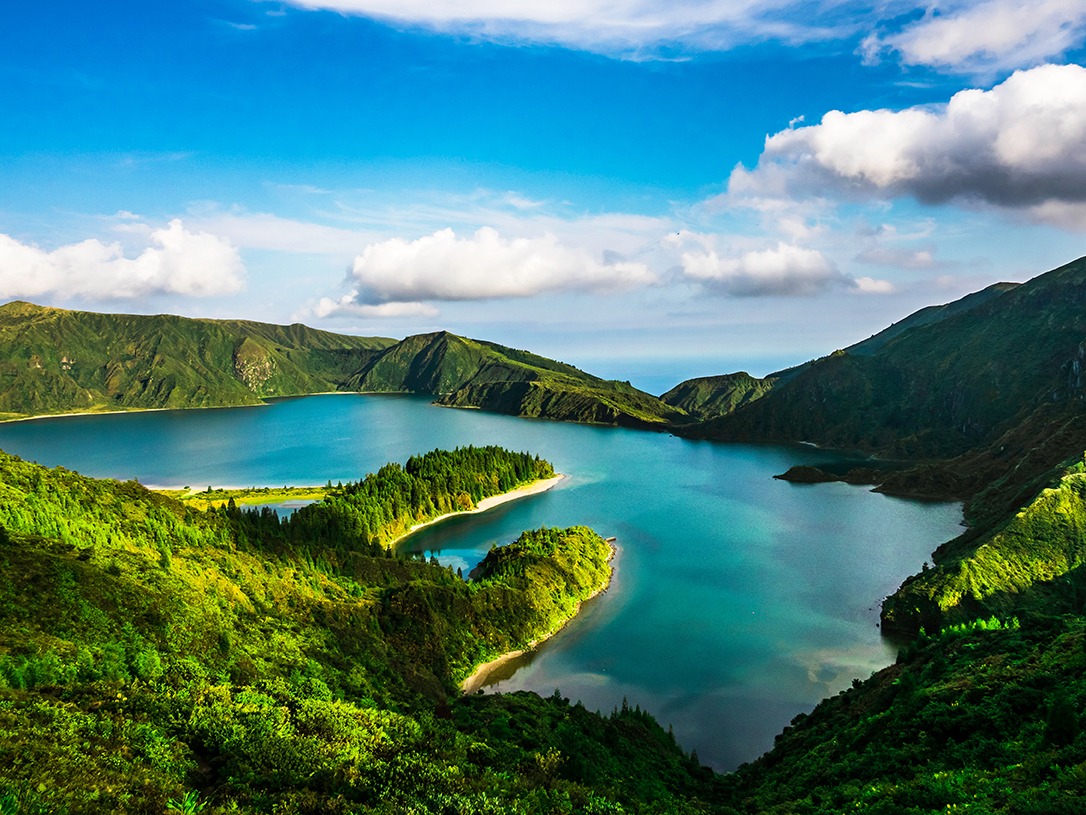
São Miguel
Known as the Green Island, São Miguel is famous for its volcanic crater lakes, geothermal hot springs, lush landscapes, tea plantations, and charming towns. As the largest island in the Azores, it offers the perfect blend of natural beauty, adventure, and local culture.
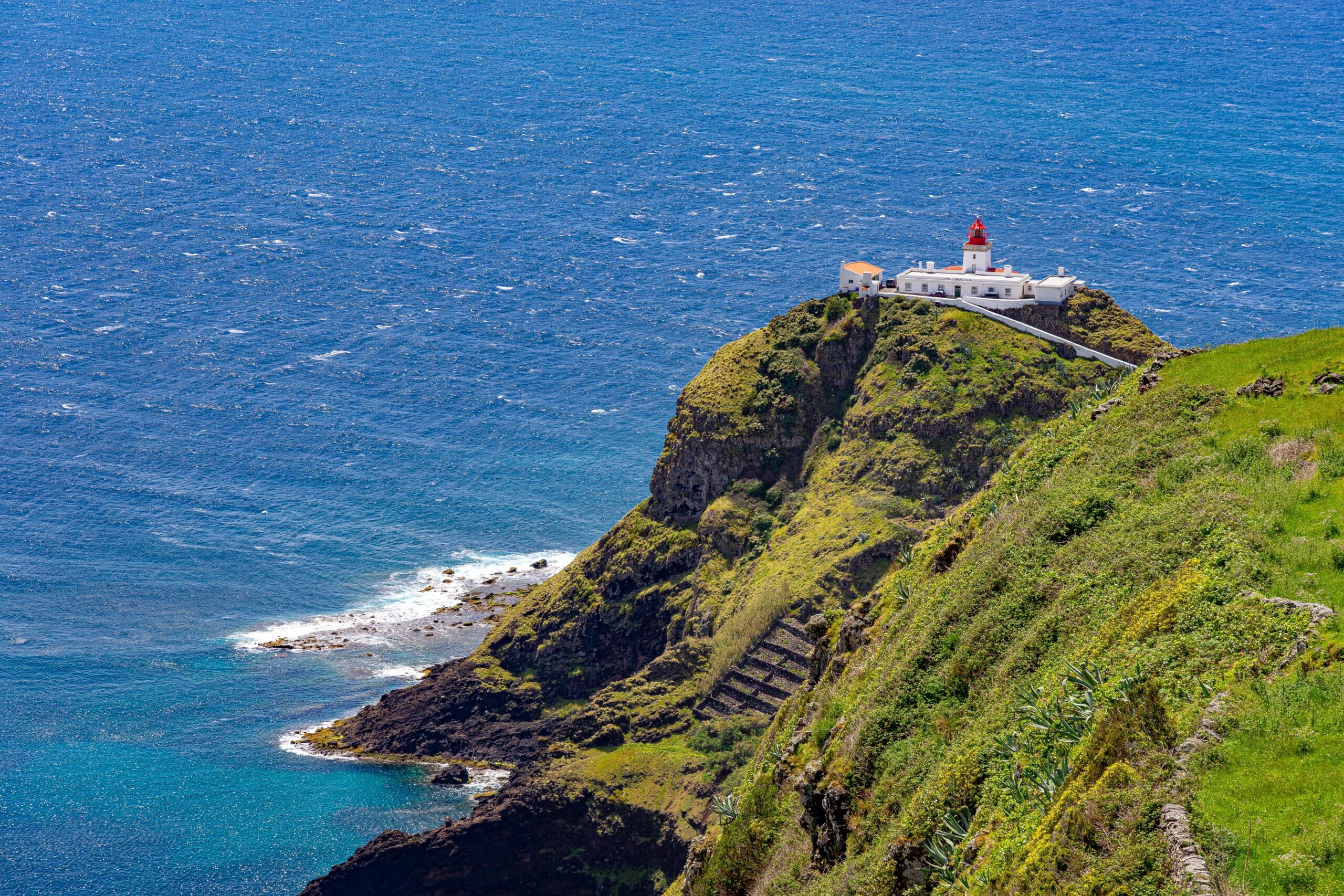
Santa Maria
Known as the Island of the Sun, Santa Maria is famous for its golden sandy beaches, warm climate, fossil-rich coastline, and relaxed pace of life. It’s the perfect destination for visitors looking to unwind while enjoying one of the oldest islands in the archipelago.
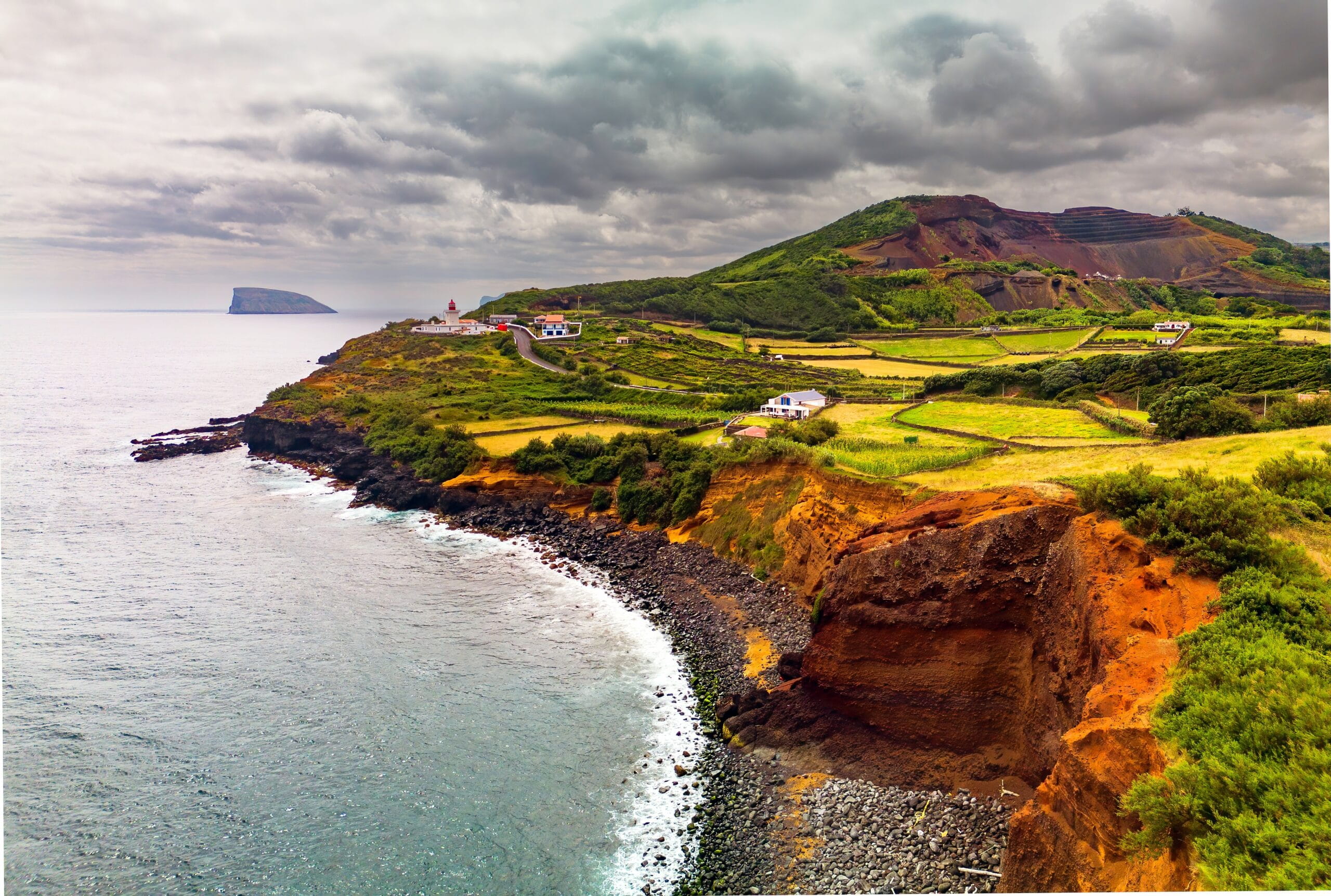
Terceira
A UNESCO World Heritage city, colorful festivals, lively traditions, and centuries of history make Terceira one of the cultural hearts of the Azores. From Angra do Heroísmo to the island’s famous Sanjoaninas celebrations, Terceira is rich in heritage and community spirit.
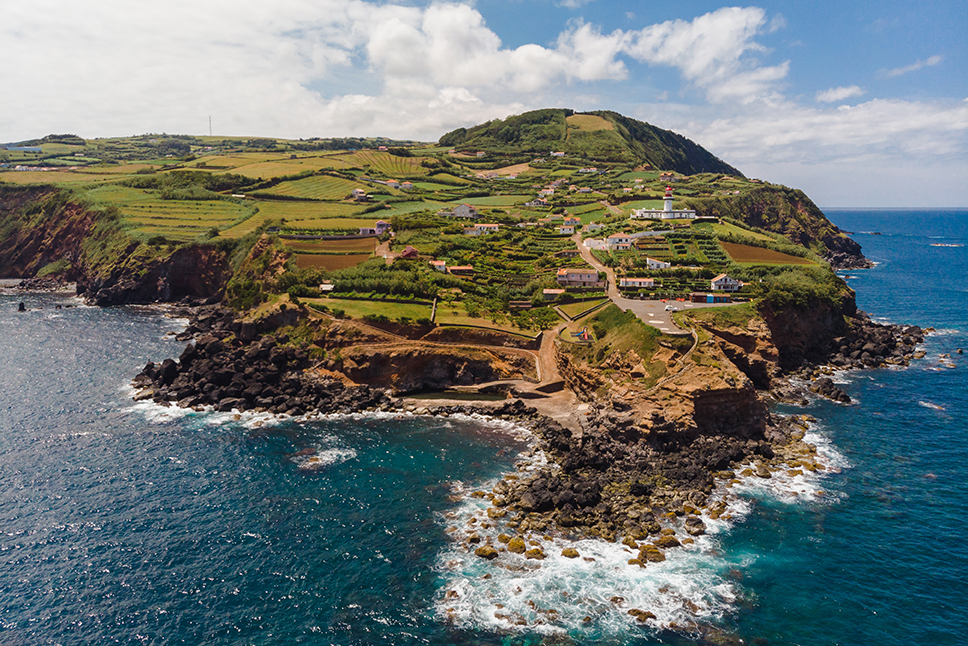
São Jorge
Steep cliffs, dramatic fajãs, scenic hiking trails, and the island’s world-famous cheese define São Jorge. Nature lovers and outdoor enthusiasts will discover breathtaking landscapes unlike anywhere else in the Azores.
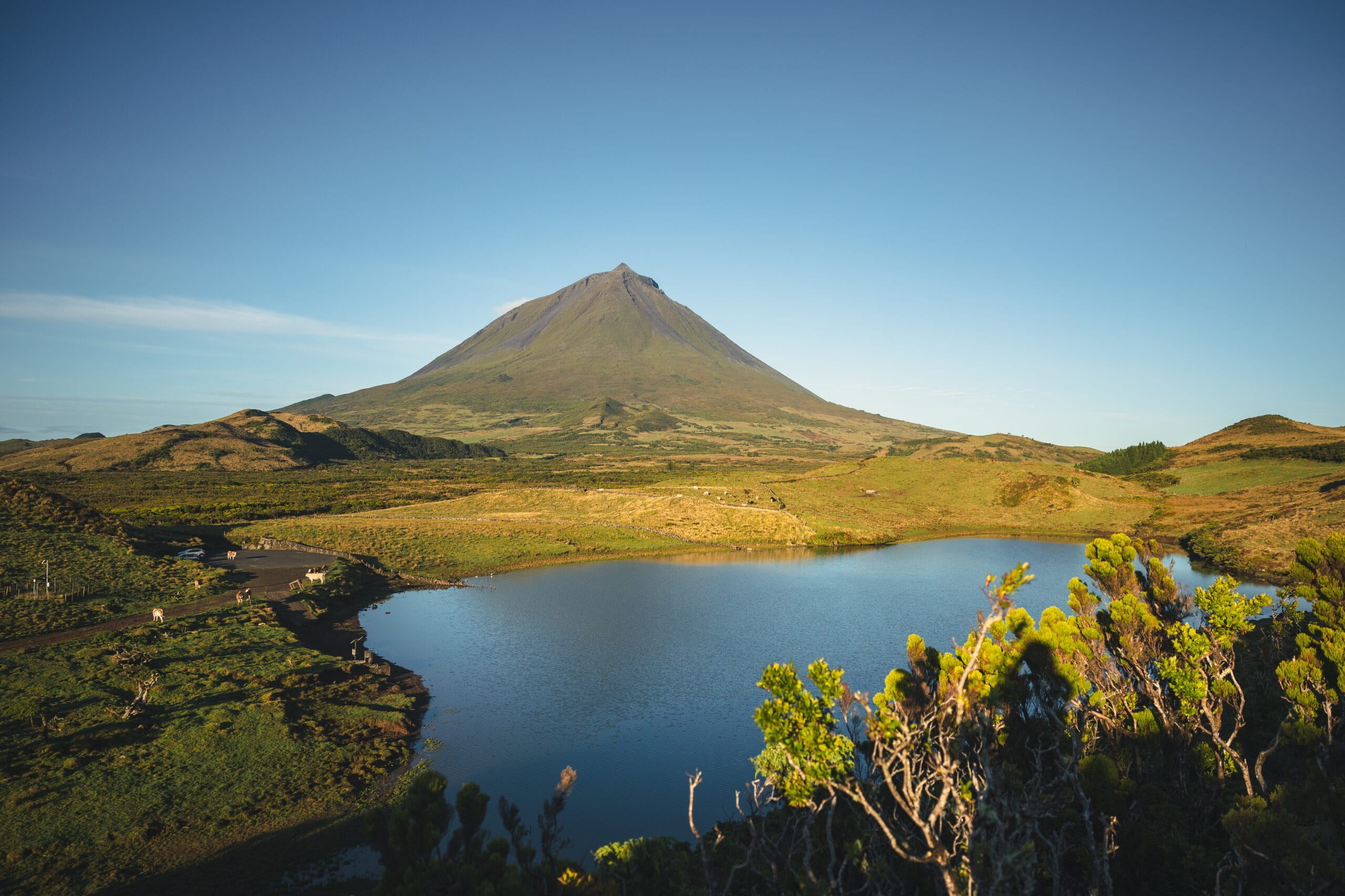
Pico
Dominated by Portugal’s highest mountain, Pico combines volcanic landscapes with UNESCO-listed vineyards, a rich whaling heritage, and some of the best whale watching in the Atlantic. It’s an island that celebrates both the sea and the mountain that gives it its identity.
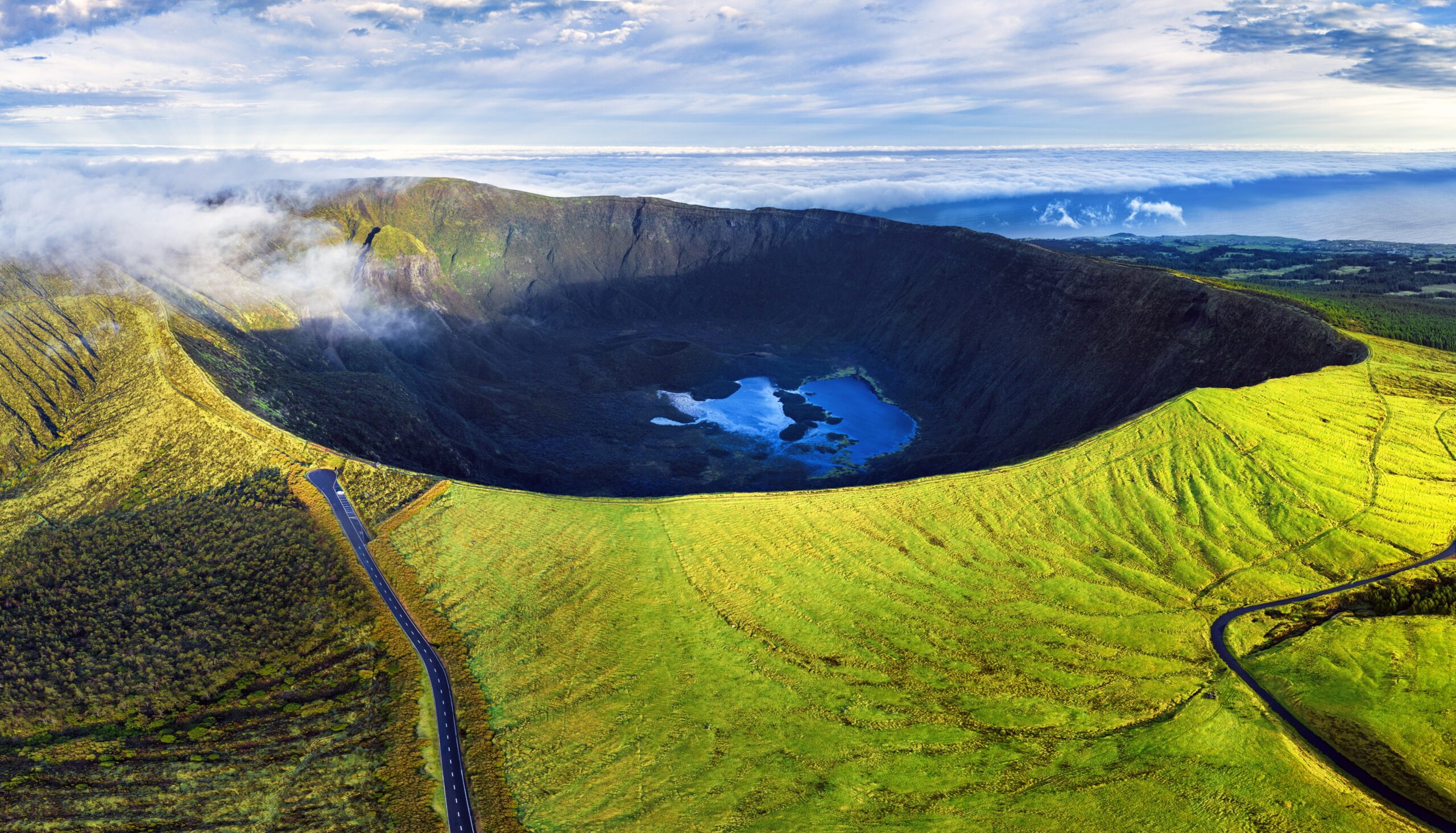
Faial
Known as the Blue Island, Faial welcomes sailors from around the world to the historic marina in Horta. Visitors also come to explore the dramatic Capelinhos Volcano, walk the rim of the Caldeira, and enjoy spectacular views of neighboring Pico.
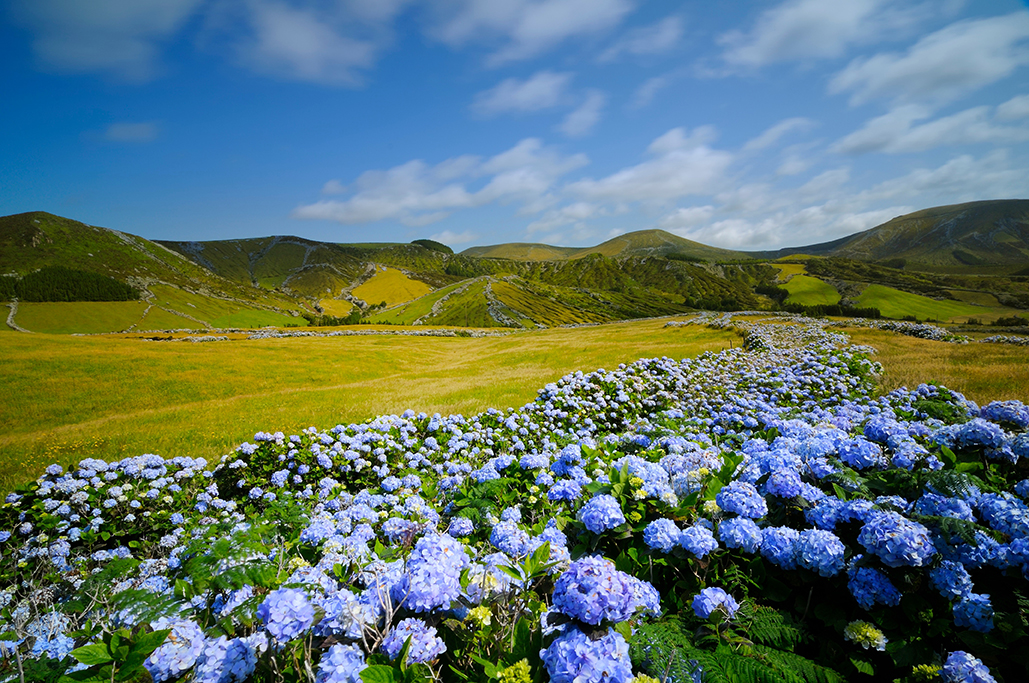
Flores
Often considered one of Europe’s most beautiful islands, Flores is a paradise of waterfalls, crater lakes, lush valleys, and dramatic cliffs. Nature is never far away, making every drive and every hike unforgettable.
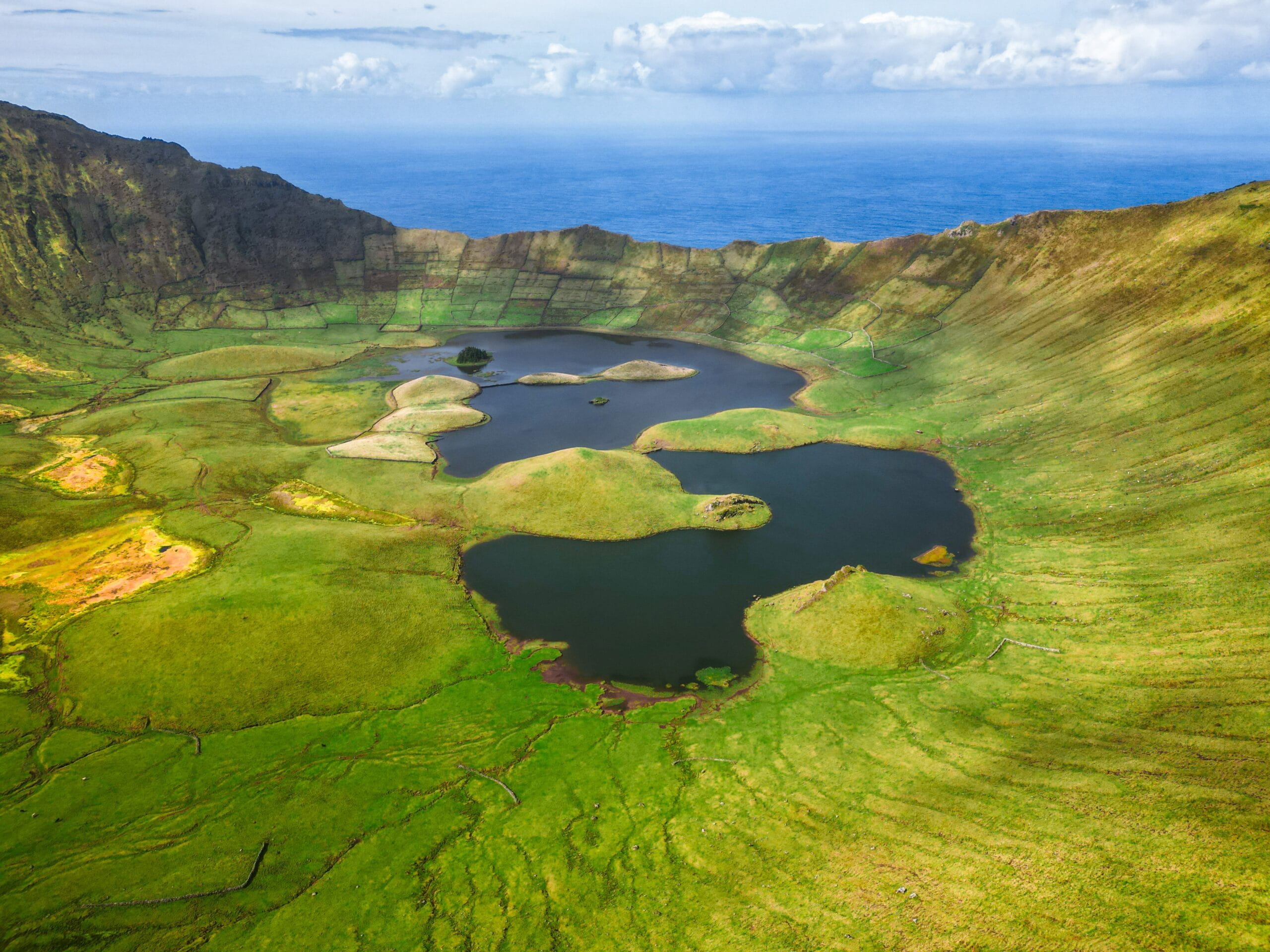
Corvo
The smallest island in the Azores offers one of its greatest rewards—peace. Home to a single village and the spectacular Caldeirão volcanic crater, Corvo invites visitors to slow down and experience island life at its simplest and most authentic.